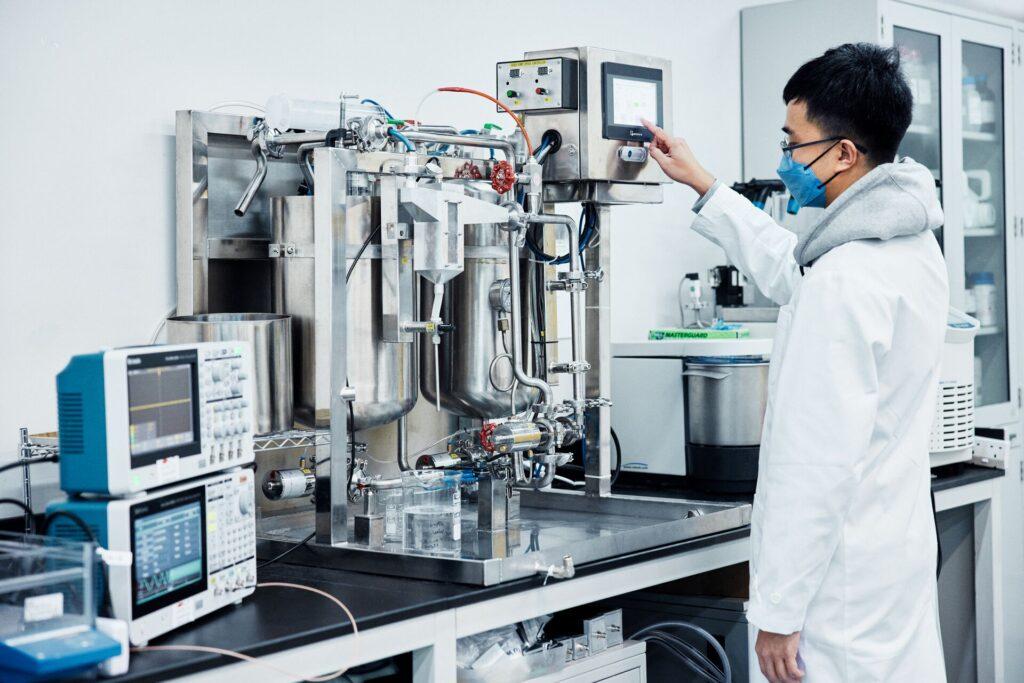
Introduction: Why Pollution Cleanup Innovations Matter in 2026
Pollution Cleanup Innovations are becoming increasingly important in 2026 as plastic waste, contaminated water, toxic industrial chemicals, and air pollution continue to threaten ecosystems and human health. Traditional cleanup methods can remove many pollutants, but some contaminants are difficult to capture, expensive to treat, or resistant to natural breakdown. Scientists are therefore exploring new technologies that can make pollution control more effective and sustainable.
Recent research is investigating biological cleanup methods, advanced filtration materials, artificial intelligence, nanotechnology, and chemical treatment systems. These approaches may help remove microplastics from water, capture persistent chemicals, identify contaminated locations, and improve the treatment of industrial waste. Researchers are also developing combined systems that use more than one technology to address different types of pollution.
However, these innovations are not perfect solutions. Some remain at the laboratory or pilot stage, while others require significant energy, specialized equipment, or careful disposal of contaminated materials. A technology that removes a pollutant from water may simply transfer it into a concentrated waste stream rather than destroy it.

This article explores eight powerful Pollution Cleanup Innovations, explaining how they work, what benefits they may offer, and which risks need attention. Understanding these developments can help readers distinguish promising scientific progress from technologies that still require further testing.
Table of Contents
- AI-Powered Pollution Detection
- Microplastic Removal Technology
- Biological Pollution Cleanup
- Advanced Nanomaterials
- PFAS Removal Innovations
- Photocatalytic Pollution Treatment
- Smart Industrial Wastewater Treatment
- Nature-Based Pollution Cleanup
- Benefits and Hidden Risks
- The Future of Pollution Cleanup
1. Pollution Cleanup Innovations: AI-Powered Pollution Detection
Artificial intelligence is changing how scientists and environmental agencies identify pollution. Traditional monitoring often depends on collecting samples and sending them to laboratories. Although laboratory testing remains essential, it can take time and may not provide continuous information about changing environmental conditions.
AI-powered monitoring systems can analyze data from air-quality sensors, water-quality instruments, satellites, drones, and other sources. Machine-learning models can identify unusual patterns, estimate pollution levels, and help authorities determine where further testing is needed.
How AI Improves Pollution Monitoring
For example, a monitoring network near an industrial area may detect an unexpected change in air quality. An AI system can compare readings across different locations and times to help identify a possible pollution event. Similar methods can support the monitoring of river contamination, landfill emissions, and illegal waste disposal.
These systems can also help cleanup teams prioritize areas where pollution appears most severe. Faster identification may reduce delays and help authorities use limited resources more effectively.
Benefits and Hidden Risks
AI can improve monitoring speed, process large datasets, and support earlier warnings. However, unreliable sensors or incomplete data can produce misleading predictions. Satellite images also cannot identify every chemical contaminant directly.
AI should therefore support, rather than replace, laboratory analysis and expert judgment. Reliable calibration, transparent methods, and regular maintenance are necessary for accurate environmental monitoring.
2. Pollution Cleanup Innovations: Advanced Microplastic Removal
Microplastics are tiny plastic particles, generally smaller than five millimeters, that can enter rivers, oceans, soils, and wastewater systems. They originate from sources such as the breakdown of larger plastic products, synthetic textile fibers, and certain industrial activities.
Removing these particles is challenging because their size, shape, and chemical composition vary considerably. Researchers are investigating improved filtration membranes, adsorption materials, separation systems, and biological treatments to capture or break down microplastics.
How Advanced Microplastic Cleanup Works
Membrane filtration can separate many small particles from water. Adsorption materials can capture selected contaminants on their surfaces, while biological methods investigate microorganisms and enzymes capable of breaking down particular plastics.
A 2026 review published in RSC Advances compared biological remediation with conventional physical and chemical methods. It highlighted the potential of combining treatment approaches while noting challenges involving energy consumption, cost, and secondary pollution. <Cite refs={[“turn686059search1”]}/>
Benefits and Hidden Risks
Advanced microplastic removal could help wastewater treatment facilities reduce the release of plastic particles into the environment. Biological degradation may eventually offer additional options for certain polymers.
Nevertheless, capturing microplastics is not the same as destroying them. Filters can become clogged, and collected particles must be handled safely. Biological degradation also varies according to the plastic type and treatment conditions. Some methods may fragment plastic without completely breaking it down, so researchers must evaluate the final products carefully.
3. Pollution Cleanup Innovations: Biological Remediation
Biological remediation, often called bioremediation, uses organisms or biological processes to treat contamination. Bacteria, fungi, plants, and enzymes can transform or remove certain pollutants under suitable conditions.
Scientists have studied biological methods for treating contaminated soil, wastewater, petroleum residues, and selected industrial chemicals. More recent research is exploring specialized microbial communities and engineered biological systems that may target particular pollutants more effectively.
How Biological Cleanup Works
Microorganisms can use certain organic contaminants as sources of energy or transform them through biochemical reactions. Plants may absorb or stabilize some contaminants, while enzymes can break down specific chemical structures.
For plastic pollution, researchers are investigating enzymes and microorganisms that can break down particular polymers. The effectiveness of these methods depends on the material being treated, temperature, moisture, oxygen availability, and other environmental conditions.
Hope and Hidden Risks
Biological cleanup may reduce the need for some harsh treatment processes and could work in places where conventional remediation is expensive. It may also help treat pollution directly at contaminated sites.
However, not every pollutant can be biodegraded safely. Some substances are persistent, and incomplete treatment can produce intermediate compounds that need additional processing. Introducing microorganisms into the environment also requires risk assessment and monitoring.
Bioremediation is most effective when scientists identify the contaminant, understand the relevant biological process, and verify that the final environment is safer after treatment.
4. Pollution Cleanup Innovations: Advanced Nanomaterials
Nanotechnology is opening new possibilities for pollution treatment by allowing scientists to engineer materials with specialized surface properties. Some nanomaterials can bind selected pollutants, support catalytic reactions, or improve the separation of contaminants from water.
Researchers are investigating graphene-based materials, porous nanostructures, and engineered composites for applications involving microplastics, persistent chemicals, dyes, and industrial wastewater.
Why Nanomaterials Matter
A material’s surface chemistry and structure can affect how strongly it interacts with contaminants. By changing these properties, researchers may be able to develop filters or adsorbents that capture particular substances more efficiently.
A 2026 review in Discover Water examined graphene-based approaches for PFAS and microplastic remediation, including adsorption, membrane separation, and catalytic treatment. The research also discussed challenges associated with practical implementation. <Cite refs={[“turn686059search7”]}/>
Risks of Nanotechnology
Nanomaterials can be expensive to manufacture, and their performance may change in complex real-world water conditions. Some particles may escape treatment systems or create additional environmental concerns if they are not contained properly.
Researchers must also determine whether materials can be reused safely and how they should be disposed of after collecting contaminants. A promising laboratory result does not automatically establish environmental safety or commercial readiness.
5. Pollution Cleanup Innovations: PFAS Removal Technology
Per- and polyfluoroalkyl substances, commonly known as PFAS, are a large group of synthetic chemicals used in various industrial and consumer applications. Some PFAS persist for long periods in the environment, making their removal a significant challenge.
Scientists are developing technologies to capture, concentrate, and in selected cases destroy these persistent pollutants. Approaches include activated carbon, ion-exchange materials, specialized membranes, adsorbents derived from biomass, and advanced treatment processes.
How New PFAS Cleanup Methods Work
Some technologies bind PFAS molecules to a material so that the contaminated material can be separated from water. Others concentrate the chemicals into a smaller waste stream for further treatment.
A 2026 study reviewed biomass-based adsorbents designed to capture PFAS. These materials may provide alternative options, but their performance depends on material design, selectivity, regeneration, and the management of contaminated waste. <Cite refs={[“turn686059search3”]}/>
Benefits and Hidden Risks
Improved PFAS treatment could help protect drinking-water sources and reduce contamination from industrial activities. Materials made from renewable biological resources may also offer useful alternatives for selected applications.
However, capturing PFAS does not necessarily destroy it. Concentrated waste may still require specialized treatment or secure disposal. Some destruction processes can also create unwanted by-products if conditions are not carefully controlled.
Effective PFAS cleanup therefore requires testing for the relevant compounds, monitoring treatment performance, and verifying the fate of the pollutants after treatment.
6. Pollution Cleanup Innovations: Photocatalytic Treatment
Photocatalysis uses a light-activated material to promote chemical reactions. Researchers are studying photocatalytic processes that may help break down selected organic pollutants in water or on contaminated surfaces.
When a suitable photocatalyst absorbs light, it can generate reactive chemical species that react with certain contaminants. Scientists are exploring improved materials that work more efficiently under visible light and perform reliably in complex environmental conditions.
How Photocatalytic Cleanup Works
A treatment system brings contaminated water or air into contact with a photocatalyst while providing an appropriate light source. Under suitable conditions, chemical reactions can transform some pollutants into less harmful substances.
Potential applications include wastewater treatment, industrial effluent processing, and the degradation of selected organic chemicals.
Challenges and Safety Considerations
Not all contaminants respond to photocatalysis, and performance depends on light intensity, water chemistry, catalyst design, and contact time. Some reactions may produce intermediate compounds that require further treatment.
The catalyst may also lose activity or need replacement. Before a system is considered successful, researchers must measure not only the disappearance of the original pollutant but also the safety of the final treated water or air.
7. Pollution Cleanup Innovations: Smart Industrial Wastewater Treatment
Industrial wastewater can contain mixtures of oils, dyes, metals, chemicals, suspended solids, and other contaminants. Because each industry produces different waste streams, treatment systems must be selected according to the composition of the wastewater.
Smart treatment plants combine sensors, automated controls, filtration, biological treatment, and chemical processes to improve consistency and reduce unnecessary resource use.
How Smart Treatment Systems Work
Sensors can monitor variables such as pH, temperature, flow rate, and selected water-quality indicators. Automated controls may adjust pumps, aeration, or chemical dosing when readings change.
AI-assisted analysis can help operators identify unusual patterns and schedule maintenance before equipment failures cause major disruptions. Advanced membranes and adsorption materials may provide additional treatment for particular contaminants.
Benefits and Hidden Risks
Smart wastewater treatment can improve operational efficiency, help detect problems earlier, and support water reuse where regulations permit. It may also reduce the release of inadequately treated wastewater into rivers and other natural environments.
However, connected equipment introduces cybersecurity concerns. Sensors require calibration, and automated systems can make incorrect adjustments when data are unreliable. Complex wastewater mixtures may also require several treatment stages.
Human oversight, routine testing, and proper management of treatment residues remain essential.
8. Pollution Cleanup Innovations: Nature-Based Solutions
Nature-based cleanup approaches use or restore natural processes to improve environmental conditions. Examples include constructed wetlands, vegetation-based filtration, soil restoration, riverbank rehabilitation, and the protection of ecosystems that help retain or transform certain pollutants.
Constructed wetlands can use plants, soil, microorganisms, and water flow to remove or retain selected contaminants. Vegetation may also help stabilize polluted soil and reduce the movement of contaminated particles.
How Nature-Based Cleanup Helps
These systems can complement conventional wastewater treatment, particularly where land is available and pollution levels are suitable for biological treatment. They may also provide habitat, improve landscape quality, and support water management.

Researchers are examining nature-based approaches for emerging contaminants, including PFAS. A 2026 review found that such systems may retain some PFAS under particular conditions but should not be assumed to remove all compounds completely. Hybrid treatment and long-term monitoring remain important. <Cite refs={[“turn686059search0”]}/>
Benefits and Hidden Risks
Nature-based systems can offer relatively low-energy treatment and additional ecological benefits. Nevertheless, their performance depends on climate, soil properties, plant species, water chemistry, and the contaminants present.
Pollutants retained in soil or plant material may still require careful management. These systems also need enough space and time to operate effectively. Nature-based cleanup is best selected according to site-specific evidence rather than treated as a universal solution.
Conclusion: Pollution Cleanup Innovations Offer Hope and Risks
Pollution Cleanup Innovations are creating new opportunities to address environmental contamination in 2026. AI-powered monitoring can help identify pollution, advanced filtration can capture microplastics, and biological remediation may treat certain contaminants. Nanomaterials, PFAS removal systems, photocatalysis, smart wastewater treatment, and nature-based approaches offer further options for improving environmental protection.
However, no single technology can remove every pollutant under all conditions. Some methods transfer contaminants into concentrated waste rather than destroying them, while others remain experimental or require additional testing. Energy consumption, treatment costs, maintenance, environmental safety, and long-term monitoring all influence whether an innovation is practical.
The strongest approach is to combine technologies when necessary, reduce pollution at its source, and verify treatment results with reliable testing. Industries, governments, researchers, and communities all have roles in preventing contamination and supporting responsible cleanup.
In 2026, the most promising progress will come from technologies that are not only innovative but also safe, affordable, measurable, and suitable for real-world conditions. With careful development and responsible implementation, pollution cleanup research can help protect ecosystems and support a cleaner future.