Table of Contents
- Introduction to Urban Heat Breakthroughs
- Urban Heat Breakthroughs Through Cool Roofs
- Urban Heat Breakthroughs Using Green Spaces
- Urban Heat Breakthroughs Through Cool Pavements
- Urban Heat Breakthroughs With Smart Buildings
- Urban Heat Breakthroughs Using Urban Trees
- Urban Heat Breakthroughs Through Water and Shade
- Urban Heat Breakthroughs Using AI Technology
- Benefits and Risks of Urban Heat Breakthroughs
- Future of Urban Heat Breakthroughs
- Frequently Asked Questions
Introduction to Urban Heat Breakthroughs
Urban Heat Breakthroughs are helping researchers discover better ways to reduce dangerous temperatures in cities. In 2026, urban heat reduction research focuses on reflective roofs, green spaces, cooler pavement materials, urban forests, smart buildings, and technology that helps cities respond to extreme heat.
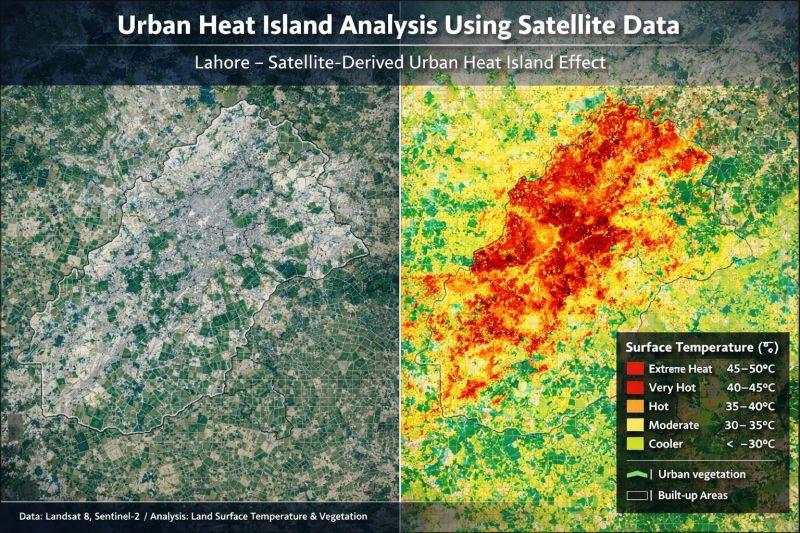
Cities often become hotter than nearby rural areas because roads, concrete, and buildings absorb and store heat. Air-conditioning systems and vehicles can add more heat to the surrounding environment. This effect is known as the urban heat island effect, and it can make heat waves more uncomfortable and dangerous.
Scientists, architects, and city planners are exploring solutions that can lower surface temperatures, improve outdoor comfort, reduce cooling costs, and protect public health. Some strategies are already being used, while others need more testing before they can be applied widely.
However, no single solution can eliminate urban heat. Reflective surfaces may create glare, trees require water and maintenance, and poorly planned cooling projects can be expensive. Understanding both the benefits and limitations of these technologies is essential for creating cooler, healthier cities.
Urban Heat Breakthroughs Through Cool Roofs
Cool roofs are among the most practical approaches to reducing heat in urban areas. Traditional dark roofs can absorb large amounts of sunlight, increasing roof temperatures and transferring heat into buildings. Cool roofs use reflective materials or coatings to reflect more sunlight and release absorbed heat more effectively.
A cooler roof can reduce indoor temperatures during hot weather and lower the need for air conditioning. This may help households save energy and improve comfort, particularly in buildings with limited insulation.
Researchers continue to examine reflective coatings, durable roofing materials, and roof designs suitable for different climates. The effectiveness of a cool roof depends on factors such as local weather, roof condition, insulation, and building design.

There are also limitations. Reflective roofs can be less beneficial in some cold climates where additional winter heating is needed. Their performance may decline if surfaces become dirty or coatings deteriorate. Glare and installation costs should also be considered.
Despite these challenges, cool roofs can be a useful part of a broader strategy to reduce heat exposure in cities.
Urban Heat Breakthroughs Using Green Spaces
Parks, gardens, green corridors, and planted public spaces can help cool urban environments. Plants provide shade, while the release of water vapor through evapotranspiration can cool the surrounding air under suitable conditions.
Green spaces also provide places where residents can relax, exercise, and escape some of the heat associated with dense streets and buildings. Large, well-designed parks may create cooler local environments, although the cooling effect varies with vegetation, soil moisture, weather, and park size.
Researchers are studying how the location and arrangement of green spaces affect urban temperatures. Connecting parks through shaded walking routes may help people move between cooler areas without spending long periods in direct sunlight.
However, creating green spaces requires land, planning, and long-term maintenance. In dry regions, water demand can become a serious concern if planners choose plants that are poorly suited to the local climate.
The strongest approach is to select suitable native or climate-adapted vegetation and design green spaces around local water availability. This can help cities gain cooling benefits without creating unnecessary pressure on water supplies.
Urban Heat Breakthroughs Through Cool Pavements
Roads, sidewalks, parking lots, and other paved surfaces can absorb sunlight and become extremely hot. Cool pavement research explores materials and surface treatments that reflect more solar energy or otherwise reduce heat accumulation.
Some approaches use lighter-colored materials, reflective coatings, or specially engineered surfaces. Others investigate permeable pavements that allow water to pass through, potentially supporting evaporative cooling when sufficient moisture is available.
These technologies may help reduce surface temperatures and improve conditions in certain public spaces. Cooler pavements can be especially relevant in neighborhoods with extensive paved areas and little shade.
However, lower surface temperature does not always mean lower air temperature at pedestrian level. Reflective surfaces can redirect sunlight toward people or nearby buildings, potentially increasing glare or radiant heat exposure. Performance also depends on the material, weather, and surrounding environment.
For this reason, city planners need to test pavement designs in real-world conditions. Combining suitable materials with trees and shade structures may produce better outdoor comfort than relying on pavement changes alone.
Urban Heat Breakthroughs With Smart Buildings
Smart buildings can help reduce indoor heat and manage energy use more efficiently. Features such as improved insulation, external shading, efficient ventilation, automated blinds, and responsive cooling systems can reduce the amount of heat entering a building.
Sensors can monitor indoor temperatures and help control ventilation or cooling equipment according to actual conditions. Building management systems can also adjust energy use when temperatures rise or when rooms are unoccupied.
Researchers are investigating how building design and digital controls can work together to improve comfort during heat waves. For example, external shades can block strong sunlight before it passes through windows, while suitable ventilation may help remove heat when outdoor conditions are cooler.
Still, smart systems have limitations. Sensors may fail, automated settings may not suit every occupant, and advanced controls can increase installation and maintenance costs. Poorly designed buildings may also remain uncomfortable even with sophisticated technology.
The most effective strategy combines smart controls with good building design, adequate insulation, shading, and reliable access to cooling during extreme heat.
Urban Heat Breakthroughs Using Urban Trees
Trees are powerful tools for reducing heat because they provide shade and release water vapor through their leaves. Shaded streets can feel substantially more comfortable than exposed streets, especially during sunny afternoons.
Urban forestry research examines which tree species are best suited to local climates, how trees should be spaced, and how their canopies influence temperature. Planners also consider root space, soil quality, drought tolerance, and the ability of trees to survive in crowded urban environments.
Planting trees near sidewalks, schools, public transport stops, and other frequently used places can help protect residents from direct sunlight. A well-planned tree canopy can also improve the appearance of neighborhoods and provide habitats for wildlife.
Nevertheless, trees do not deliver instant results. Young trees may take years to develop large canopies, and drought, pests, disease, or limited soil space can reduce survival rates. Some species require significant watering or may damage nearby infrastructure if planted in unsuitable locations.
Successful urban tree programs therefore require careful species selection, adequate planting space, maintenance, and long-term funding. Protecting existing mature trees can be just as important as planting new ones.
Urban Heat Breakthroughs Through Water and Shade
Water features and shade structures can help make outdoor areas more comfortable during hot weather. Fountains and misting systems may provide localized cooling through evaporation, while awnings, canopies, and covered walkways reduce direct exposure to sunlight.
Public shade is particularly valuable at bus stops, playgrounds, school entrances, markets, and pedestrian routes. These locations often serve people who cannot easily avoid spending time outdoors during the hottest part of the day.
Researchers and urban designers are evaluating how shade coverage, ventilation, surface materials, and access to drinking water can work together to reduce heat exposure. Temporary shade structures may also provide faster relief while permanent trees grow.
However, water-based cooling can consume valuable water resources, particularly during droughts. High humidity can also reduce the effectiveness of evaporative cooling. Misting equipment requires proper maintenance and hygiene, while poorly placed structures may obstruct airflow.
Cities should select solutions according to local climate and water availability. In many locations, shade, drinking-water access, and heat-safety planning may be more dependable than large water features.
Urban Heat Breakthroughs Using AI Technology
Artificial intelligence is becoming a useful tool for urban heat research. AI systems can analyze satellite imagery, weather observations, land-cover information, and temperature measurements to identify areas that are especially vulnerable to heat.

These maps can help city planners identify neighborhoods with limited tree cover, extensive paved surfaces, and high exposure to extreme temperatures. Researchers can also model different cooling strategies and compare possible outcomes before projects are built.
For example, a city might use temperature data to identify which streets need more shade or which public buildings would benefit most from roof improvements. Combining heat maps with information about population needs can help direct resources toward vulnerable communities.
However, AI predictions depend on the quality and coverage of the data. Missing measurements or biased datasets can cause certain neighborhoods to receive less attention than they need. Digital models also cannot fully capture every local condition.
AI should therefore support, rather than replace, local knowledge and on-the-ground temperature measurements. When used responsibly, it can help cities plan cooling projects more strategically.
Benefits and Risks of Urban Heat Breakthroughs
Urban heat reduction technologies offer important opportunities, but every approach has practical limitations.
| Technology | Potential benefit | Hidden risk or limitation |
|---|---|---|
| Cool roofs | Less heat absorbed by buildings | Glare, maintenance, and climate-dependent benefits |
| Green spaces | Shade and evaporative cooling | Land requirements and water use |
| Cool pavements | Lower surface temperatures in some settings | Reflected sunlight and glare |
| Smart buildings | Improved indoor comfort and energy management | Cost and system maintenance |
| Urban trees | Shade and local cooling | Drought, slow growth, and upkeep |
| Water and shade | Better comfort in public spaces | Water consumption and maintenance |
| AI heat mapping | Better targeting of cooling projects | Data gaps and prediction errors |
The most successful urban heat plans usually combine several approaches. A reflective roof may reduce heat entering a building, while trees shade the sidewalk and better planning helps residents access cool public spaces.
Urban Heat Breakthroughs: Cooling Strategy Graph
The following graph is a qualitative illustration of potential cooling contributions, not measured temperature reductions or a scientific ranking. Actual results depend on location, design, weather, and maintenance.
Potential local cooling contribution

Urban trees and shade       █████
Cool roofs                  ████░
Green spaces                ████░
Cool pavements              ███░░
Smart building design       ███░░
Water-based cooling         ███░░
AI heat mapping             ██░░░
AI heat mapping is shown as a planning tool rather than a direct cooling method. It can help target interventions, but it does not physically lower temperatures by itself.
Future of Urban Heat Breakthroughs
The future of urban heat reduction will likely involve coordinated planning rather than a single new material or technology. Cities may combine satellite data, local temperature sensors, building upgrades, tree planting, and improved public spaces to reduce heat exposure.
Research may lead to more durable reflective coatings, pavement materials suited to different climates, drought-tolerant urban vegetation, and smarter systems for managing building temperatures. Better neighborhood-level heat maps could also help governments prioritize areas where residents face the greatest risks.
Equity will remain an important issue. Lower-income neighborhoods may have fewer trees, less shade, and buildings that are difficult to cool. Cooling programs should therefore consider not only the average temperature of a city but also who is most exposed and who has access to relief.
Cities must also prepare for extreme heat through public alerts, accessible cooling centers, drinking-water access, and plans to protect outdoor workers and vulnerable residents.
In 2026, the strongest opportunity is to combine proven cooling strategies with careful research, local planning, and long-term maintenance. Cooler cities can be healthier and more comfortable, but successful results require sustained investment and thoughtful design.
Frequently Asked Questions About Urban Heat Breakthroughs
What are Urban Heat Breakthroughs?
Urban Heat Breakthroughs are new or improved approaches that help reduce heat in cities, including cool roofs, urban trees, green spaces, reflective pavements, and smart building systems.
What causes the urban heat island effect?
Buildings, roads, and other surfaces absorb and store heat. Limited vegetation, dense development, and waste heat from vehicles and cooling systems can make some urban areas hotter than nearby rural locations.
Which method is best for reducing urban heat?
There is no single best method for every city. Trees and shade can improve outdoor comfort, cool roofs can reduce heat entering buildings, and green spaces can provide local cooling. The right combination depends on climate, land, water, and budget.
Can AI help cities reduce extreme heat?
Yes. AI can analyze temperature data and identify areas that may benefit from cooling projects. However, AI is a planning tool and must be supported by reliable measurements and local expertise.
Do cool pavements always make streets more comfortable?
No. Some pavements reduce surface temperatures but may reflect more sunlight toward pedestrians or buildings. Their overall effect depends on the material and the surrounding environment.
Conclusion: Urban Heat Breakthroughs Create Cooler Cities
Urban Heat Breakthroughs offer promising ways to make cities more comfortable and resilient during extreme heat. Cool roofs, green spaces, urban trees, smart buildings, and AI-assisted planning can all contribute to better urban environments when they are designed for local conditions.
However, water use, maintenance costs, reflected sunlight, and unequal access to cooling must be considered. No single technology can solve every urban heat problem.
The best path to cooler cities is a smart combination of science, nature, and thoughtful urban planning.