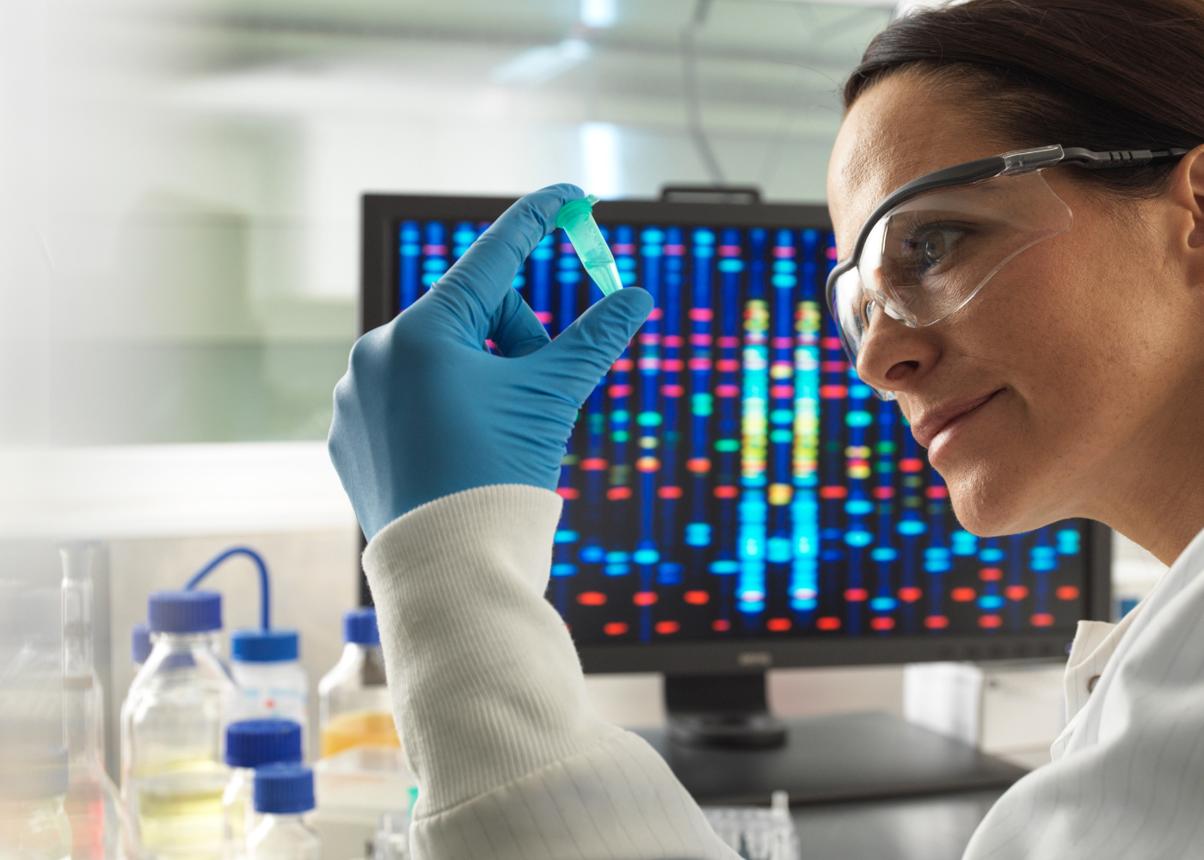
Introduction: Human Adaptation Breakthroughs in 2026
Human Adaptation Breakthroughs are transforming how scientists understand the ability of people to survive, adjust, and thrive in changing environments. In 2026, research into human adaptation is exploring how the human body responds to extreme heat, changing climates, high altitudes, infectious diseases, and new technological environments. These discoveries may help researchers develop better healthcare strategies, improve workplace safety, and prepare communities for environmental challenges. However, they also raise important questions about unequal access to technology, genetic privacy, ethical research, and the limits of human biological adaptation.
Human beings have adapted to many environments throughout history. Our bodies can gradually respond to physical challenges through processes such as acclimatization, while human societies develop clothing, housing, medicine, and technologies that make difficult environments more manageable. Modern research is examining these processes in greater detail, using genetics, wearable sensors, artificial intelligence, and advanced medical tools.
The most promising Human Adaptation Breakthroughs do not depend on a single discovery. Instead, they combine biological research with environmental planning and practical solutions. Understanding how humans respond to heat, altitude, disease, and other pressures can help protect vulnerable populations. At the same time, researchers must distinguish between short-term adjustment, long-term evolutionary change, and technological assistance. Exploring both the benefits and hidden risks of these developments reveals how human adaptation may shape the future.
Table of Contents
- Human Adaptation Breakthroughs in Heat Resistance
- Human Adaptation Breakthroughs in High-Altitude Survival
- Human Adaptation Breakthroughs in Genetic Research
- Human Adaptation Breakthroughs in Personalized Medicine
- Human Adaptation Breakthroughs in Climate Adaptation
- Human Adaptation Breakthroughs in Brain and Cognitive Resilience
- Human Adaptation Breakthroughs Through Wearable Technology
- Human Adaptation Breakthroughs in Space Exploration
- Benefits and Hidden Risks of Human Adaptation Research
- The Future of Human Adaptation Breakthroughs
1. Human Adaptation Breakthroughs in Heat Resistance
Extreme heat is becoming an important subject in human adaptation research because high temperatures can affect physical performance, sleep, concentration, and general health. Scientists are studying how the body regulates its temperature and how people can become more tolerant of hot conditions through a process known as heat acclimatization.
How Human Adaptation Breakthroughs Improve Heat Safety
During repeated exposure to heat, the body can develop several physiological adjustments. Sweating may begin earlier, circulation can become more efficient, and the body may maintain a more stable core temperature during comparable activities. These responses can help people perform physical tasks more safely when heat exposure cannot be avoided.
Researchers are investigating how these changes vary with age, fitness, hydration, health, and environmental conditions. The findings may help improve safety guidelines for outdoor workers, athletes, emergency responders, and communities experiencing heatwaves.
However, heat acclimatization does not make people immune to heatstroke or dehydration. Extreme temperatures can still overwhelm the body’s cooling systems, especially when humidity is high or access to drinking water and cooling facilities is limited. Heat adaptation must therefore be combined with shade, rest breaks, adequate hydration, cooling infrastructure, and appropriate workplace protections.

2. Human Adaptation Breakthroughs in High-Altitude Survival
High-altitude environments contain less available oxygen than locations near sea level. People who travel to high elevations may experience headaches, tiredness, shortness of breath, or altitude sickness. Human adaptation researchers study how the body responds to these conditions and why some populations have developed distinctive adaptations over many generations.
How Human Adaptation Breakthroughs Explain Oxygen Use
When people ascend to high altitudes, their bodies can respond by increasing breathing and gradually changing the way oxygen is transported and used. These short-term responses are forms of acclimatization, not necessarily permanent genetic changes.
Research involving populations native to the Tibetan Plateau, the Andes, and the Ethiopian Highlands has revealed that human populations can develop different biological responses to life at high altitude. These differences help scientists investigate the complex relationships among inherited traits, physiology, and environmental pressures.
Understanding high-altitude adaptation may contribute to medical research involving oxygen regulation and circulation. It can also help improve guidance for mountaineers, workers, and travelers visiting high elevations.
Nevertheless, adaptation varies between individuals and populations. A trait that is beneficial in one environment may not provide the same advantage elsewhere. Researchers must also avoid treating all members of a population as biologically identical because human variation exists within every population.
3. Human Adaptation Breakthroughs in Genetic Research
Genetic research is helping scientists understand how inherited differences influence human responses to environmental pressures. Over many generations, natural selection can increase the frequency of traits that improve survival or reproduction under particular conditions. Modern genomic tools allow researchers to investigate these patterns in much greater detail.
How Human Adaptation Breakthroughs Reveal Human Diversity
Researchers have studied genetic adaptations associated with high-altitude living, dietary changes, disease resistance, and the ability of some adult populations to digest lactose. These examples demonstrate that human evolution has continued throughout relatively recent history.
Modern studies can compare genetic information across populations and combine it with archaeological, historical, and environmental evidence. This helps scientists investigate how human groups responded to changing diets, infectious diseases, and new habitats.
However, genetic research has significant limitations. Many human characteristics are influenced by numerous genes as well as nutrition, lifestyle, healthcare, and social conditions. Scientists cannot reliably predict a person’s future health or abilities from a single genetic variant.
Genetic information is also sensitive. Its collection and use require informed consent, secure data handling, and safeguards against discrimination. Responsible Human Adaptation Breakthroughs in genetics should improve scientific understanding without creating misleading claims about genetic superiority or fixed biological categories.
4. Human Adaptation Breakthroughs in Personalized Medicine
Personalized medicine aims to tailor healthcare decisions to individual characteristics, which may include genetics, medical history, lifestyle, and environmental exposure. Human adaptation research can contribute to this approach by investigating why people respond differently to similar physical and environmental challenges.
How Human Adaptation Breakthroughs Support Individual Care
Two people exposed to the same medication, temperature, or environmental stress may experience different outcomes. Researchers are studying the biological mechanisms behind these differences to improve prevention, diagnosis, and treatment.
Pharmacogenomics, for example, investigates how genetic variation influences responses to certain medicines. In appropriate clinical situations, genetic information can help healthcare professionals choose a medication or dose more carefully. Other research explores how sleep, nutrition, exercise, and environmental conditions affect recovery and resilience.

These approaches offer potential benefits for patients who do not respond well to standard treatments. Yet personalized medicine is not a guarantee of better outcomes. Tests can be expensive, evidence may be incomplete, and results must be interpreted by qualified healthcare professionals.
Another challenge is unequal access. If advanced tests and treatments are available only to wealthy populations, medical progress could widen existing healthcare inequalities. Future research should therefore focus on accuracy, patient privacy, affordability, and fair access.
5. Human Adaptation Breakthroughs in Climate Adaptation
Climate change is increasing the importance of understanding how human populations cope with heatwaves, droughts, floods, food insecurity, and other environmental pressures. Unlike biological evolution, which generally unfolds across generations, many climate adaptation measures can be introduced much more quickly through planning, infrastructure, and public policy.
How Human Adaptation Breakthroughs Protect Communities
Scientists and public health specialists are examining heat-warning systems, climate-resilient housing, urban shade, access to clean water, and emergency planning. These measures can reduce exposure to dangerous conditions and help communities respond before extreme events become life-threatening.
Researchers are also investigating how environmental stress affects sleep, mental performance, cardiovascular strain, and occupational safety. This knowledge can support better building standards, safer working hours, and targeted assistance for people at higher risk.
Climate adaptation is not equally easy for everyone. Low-income communities may lack air conditioning, reliable electricity, suitable housing, or access to healthcare. People working outdoors may be unable to avoid exposure to dangerous heat without losing income.
For this reason, successful Human Adaptation Breakthroughs must address social and economic conditions as well as human physiology. Reducing greenhouse gas emissions remains essential because adaptation alone cannot prevent every future climate impact.
6. Human Adaptation Breakthroughs in Brain and Cognitive Resilience
The human brain constantly adjusts to new information, changing surroundings, and different demands. Researchers studying neuroplasticity investigate how the nervous system changes with learning, experience, and recovery after certain injuries.
How Human Adaptation Breakthroughs Support Learning
Neuroplasticity provides a scientific basis for understanding how practice can strengthen particular skills and how rehabilitation may help some people regain abilities after neurological injury. Research into attention, memory, sleep, and learning can also inform educational methods and strategies for managing demanding environments.
Scientists are investigating how stress, sleep disruption, aging, and environmental changes influence cognitive performance. These findings may help develop more effective rehabilitation programmes and healthier work and study routines.
However, the brain’s ability to change has limits. Not every intervention produces lasting improvements, and commercial claims about dramatically increasing intelligence or eliminating fatigue often exceed the available evidence.
Brain-computer interfaces and other emerging technologies may eventually help some people communicate or interact with devices in new ways. These technologies also raise concerns about privacy, consent, accessibility, and the security of sensitive neural data. Responsible research should prioritize demonstrated benefits and appropriate safeguards rather than exaggerated promises.
7. Human Adaptation Breakthroughs Through Wearable Technology
Wearable technology allows researchers to monitor certain aspects of human physiology during everyday activities. Devices can measure signals such as heart rate, movement, skin temperature, and, in some cases, estimates of blood oxygen saturation. More advanced research systems may combine several measurements to investigate how people respond to heat, exercise, sleep disruption, or changing environments.
How Human Adaptation Breakthroughs Use Real-Time Data
Continuous measurements can reveal patterns that occasional laboratory tests may miss. For example, researchers can study how physical activity and recovery vary across different temperatures or how sleep patterns change during demanding work schedules.
When properly validated, wearable data may support early warnings, personalized training, or occupational safety programmes. It may also help researchers understand how different groups respond to environmental stress.
Nevertheless, wearable devices do not measure every important biological process accurately. Consumer devices can produce misleading readings, and a single measurement should not automatically be treated as a medical diagnosis.
Privacy is another major concern. Continuous monitoring can reveal personal routines, location patterns, and health-related information. Organisations using wearable technology should clearly explain what they collect, why they collect it, and who can access the data. Participation in workplace or research monitoring should include appropriate protections against misuse.
8. Human Adaptation Breakthroughs in Space Exploration
Space exploration presents some of the most demanding challenges in human adaptation research. Microgravity changes the way the body experiences movement and loading, while radiation, isolation, disrupted sleep, and confinement create additional physical and psychological pressures.
How Human Adaptation Breakthroughs Prepare Astronauts
Scientists study how spaceflight affects muscles, bones, balance, fluid distribution, sleep, and cognitive performance. Astronauts use carefully designed exercise routines and other countermeasures to reduce some of the harmful effects of extended time in space.
Researchers are also investigating nutrition, environmental control systems, crew selection, and strategies for maintaining psychological well-being during long missions. This work is important for planning future journeys to the Moon and Mars.
Space research may also improve understanding of muscle loss, bone health, and rehabilitation on Earth. However, results from astronauts cannot always be applied directly to the wider population because astronauts are carefully selected and work in highly controlled conditions.
Long-duration space missions also raise difficult questions about radiation exposure, medical emergencies, and the limits of human endurance. No current technology eliminates all the risks of extended spaceflight. Continued research is necessary before humans can safely undertake increasingly long missions.
9. Human Adaptation Breakthroughs: Benefits and Hidden Risks
Human Adaptation Breakthroughs may improve health, safety, scientific knowledge, and preparedness for environmental change. Research into heat tolerance can inform worker protections, genomic studies can clarify human evolutionary history, and wearable sensors can help researchers understand physiological responses over time.
At the same time, the benefits depend on how these developments are used. Genetic information can be misinterpreted, wearable monitoring can compromise privacy, and expensive medical tools may remain unavailable to people who need them most. Overconfidence in human adaptability can also be dangerous if it encourages people to tolerate conditions that should instead be made safer.
The following table summarizes the main opportunities and challenges.
| Research area | Potential benefit | Hidden risk |
|---|---|---|
| Heat adaptation | Improved heat safety | False confidence in extreme heat |
| High-altitude research | Better understanding of oxygen use | Misinterpretation of population differences |
| Genetic research | Insights into human evolution | Privacy and discrimination |
| Personalized medicine | More tailored treatment | Cost and unequal access |
| Climate adaptation | Safer communities | Unequal protection |
| Brain resilience | Better learning and rehabilitation | Unsupported performance claims |
| Wearable technology | Continuous physiological monitoring | Data misuse and inaccurate readings |
| Space adaptation | Safer long-duration missions | Radiation and other unresolved hazards |
The central lesson is that biological flexibility and technological innovation should be supported by reliable evidence. Research should include diverse participants, transparent methods, independent evaluation, and clear communication about uncertainty.
10. The Future of Human Adaptation Breakthroughs
The future of Human Adaptation Breakthroughs will likely depend on collaboration among genetics, neuroscience, medicine, environmental science, engineering, and public health. Researchers may increasingly combine genomic information with environmental measurements and long-term health data to understand why people respond differently to similar conditions.
Artificial intelligence could help scientists analyze large datasets and identify patterns that would otherwise be difficult to detect. Improved wearable sensors may support more detailed studies of heat exposure, sleep, movement, and recovery. Climate modelling may also help communities prepare for environmental changes before they cause severe disruption.
Yet technological progress must be matched by responsible oversight. Research involving genetic data should protect privacy, while wearable monitoring and AI-based assessments should be evaluated for accuracy and fairness. Scientists should also ensure that findings from small or highly selected study groups are not presented as universal conclusions.
The most useful future developments may not involve changing human biology at all. Safer housing, reliable healthcare, clean water, better working conditions, and climate-resilient infrastructure can help people adapt without exposing them to unnecessary risks.
Conclusion: Human Adaptation Breakthroughs Offer Hope and Risks
Human Adaptation Breakthroughs are expanding our understanding of how people respond to environmental pressure, physical challenges, disease, and unfamiliar conditions. Research into heat acclimatization, high-altitude survival, genetics, personalized medicine, brain resilience, wearable technology, and spaceflight offers valuable insights into human biology and future preparedness.
However, adaptation should not be confused with invulnerability. Human bodies have limits, genetic findings require careful interpretation, and advanced technologies can introduce new ethical and social challenges. Climate change, healthcare inequality, and unsafe working environments cannot be solved by biological adaptation alone.
The most promising path combines scientific discovery with prevention, responsible innovation, and fair access to practical solutions. By understanding both the benefits and limitations of human adaptability, researchers and communities can prepare more effectively for future challenges while protecting human health, dignity, and well-being.