Table of Contents
- Introduction to Human Behavior Discoveries
- Human Behavior Discoveries About the Brain
- Human Behavior Discoveries in Decision-Making
- Human Behavior Discoveries About Habits
- Human Behavior Discoveries in Social Psychology
- Human Behavior Discoveries About Emotions
- Human Behavior Discoveries Through Artificial Intelligence
- Benefits and Risks of Human Behavior Discoveries
- Future of Human Behavior Discoveries
- Frequently Asked Questions
Introduction to Human Behavior Discoveries
Human Behavior Discoveries are helping researchers understand why people think, feel, make decisions, build habits, and interact with others. Human behavior research in 2026 continues to explore the influence of the brain, emotions, social environments, technology, and personal experiences on everyday life.
Understanding human behavior can help improve education, communication, mental well-being, and workplace relationships. Researchers use experiments, surveys, brain imaging, and digital data to study how people respond to different situations. These methods can reveal patterns that help explain why people sometimes make thoughtful decisions and sometimes act without considering the consequences.
However, human behavior is complex. A result observed in one group may not apply to everyone, and people’s actions cannot always be predicted accurately. Research findings can also be misused to manipulate emotions, influence purchases, or invade privacy.
Exploring these seven powerful areas of research reveals how understanding behavior can create positive change while also presenting important risks.
Human Behavior Discoveries About the Brain
The human brain plays a central role in behavior, including attention, memory, emotions, and decision-making. Neuroscience research investigates how different brain systems work together when people learn, respond to stress, or interact with others.
Researchers study brain activity to understand why people react differently to similar experiences. Past experiences, sleep, stress, and environmental conditions can influence attention and emotional responses. This helps explain why a person may make a different decision when tired or under pressure.
Brain imaging technologies allow scientists to observe patterns of activity during particular tasks. Nevertheless, brain scans cannot simply reveal every thought or explain a person’s entire personality. A particular activity pattern may have several possible explanations.
These discoveries can contribute to better educational methods and a deeper understanding of behavior. Their greatest value comes from combining neuroscience with psychology and real-world evidence rather than assuming that one brain measurement explains everything.

Human Behavior Discoveries in Decision-Making
People make hundreds of decisions, from choosing what to eat to deciding how to spend money. Behavioral research examines why these choices are not always based on complete information or careful reasoning.
One important concept is cognitive bias. Cognitive biases are systematic patterns that can influence how people interpret information. For example, confirmation bias can lead people to pay more attention to evidence that supports their existing beliefs while overlooking information that challenges them.
Another concept is loss aversion, the tendency for potential losses to influence decisions strongly. This can help explain why someone may avoid a reasonable opportunity because they are worried about losing what they already have.
Understanding these patterns can improve financial education, workplace decisions, and everyday problem-solving. People can make more informed choices by comparing alternatives, checking evidence, and taking time before making important decisions.
However, behavioral insights can also be used to pressure people into buying products or accepting choices they might otherwise reject. Recognizing persuasive techniques helps people maintain greater control over their decisions.
Human Behavior Discoveries About Habits
Habits are repeated behaviors that can become easier to perform when they are connected to familiar situations or routines. Researchers investigate how habits develop, what keeps them going, and how people can change them.
A habit may involve a cue, a repeated action, and a reward or satisfying outcome. For example, a person might automatically check their phone after receiving a notification. Repeating this behavior can make it part of a daily routine.
Research on habit formation suggests that consistency and a supportive environment can help people develop new routines. Someone who wants to read more might place a book beside their bed, while a person trying to exercise could schedule short sessions at a regular time.
Changing an unwanted habit can be difficult, particularly when the behavior is linked to stress, social pressure, or easy access to rewards. A missed day does not mean that progress has failed. Small, manageable changes are often more practical than relying entirely on motivation.
Understanding habits can support healthier lifestyles and more effective learning. At the same time, businesses and digital platforms may design experiences that encourage excessive use, making awareness and personal boundaries important.
Human Behavior Discoveries in Social Psychology
Human behavior is strongly influenced by social environments. Family, friends, colleagues, cultural expectations, and online communities can shape how people communicate and make choices.
Social psychology explores concepts such as conformity, group behavior, cooperation, and social influence. People sometimes adjust their opinions or actions to match a group, especially when they want acceptance or are uncertain about what to do.
Social influence is not always negative. It can encourage helpful actions, volunteering, learning, and cooperation. A supportive group can motivate someone to exercise regularly, develop a skill, or seek assistance when needed.
However, group pressure can also discourage independent thinking. People may follow popular opinions without examining the evidence, particularly when disagreement feels uncomfortable.
Online environments introduce additional challenges because likes, comments, and trending posts can make certain opinions appear more common than they really are. The number of people supporting an idea does not automatically prove that it is correct.
Learning about social influence can help people communicate respectfully, recognize group pressure, and make choices that reflect their own considered values.
Human Behavior Discoveries About Emotions
Emotions influence how people understand experiences, respond to challenges, and connect with others. Happiness, fear, anger, sadness, and excitement can all affect attention and decision-making.
Researchers investigate how emotions interact with thoughts, memories, physical reactions, and social experiences. For example, stress can make it harder for some people to concentrate, while positive social experiences may support motivation and cooperation.
Emotional awareness can help people recognize what they are feeling before reacting. Taking a pause during a disagreement, identifying the source of frustration, and considering another person’s perspective can improve communication.
Emotional regulation does not mean suppressing every difficult feeling. Instead, it involves responding to emotions in ways that fit the situation. Different strategies work for different people, and persistent emotional difficulties may require professional support.
Emotions can also be exploited. Misleading advertisements, sensational headlines, and online misinformation sometimes use fear or anger to attract attention. Checking facts before sharing emotionally charged content can reduce the spread of false information.
Human Behavior Discoveries Through Artificial Intelligence
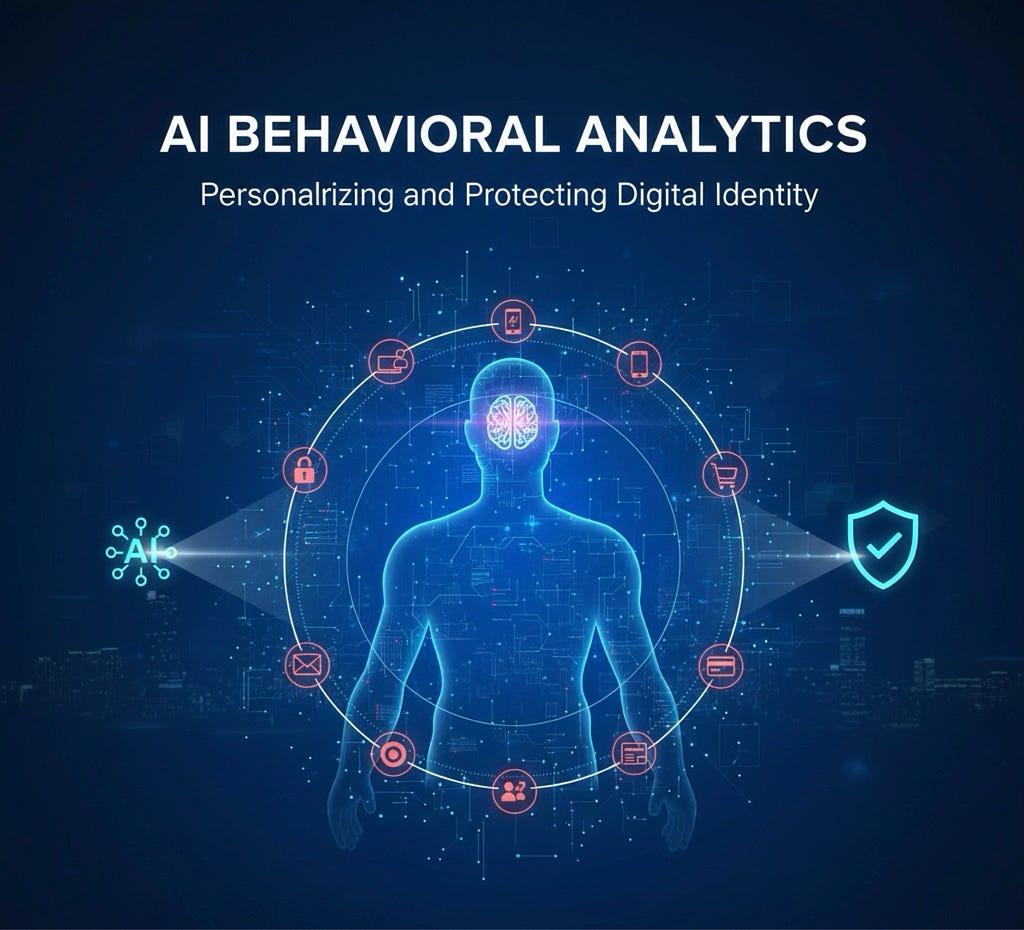
Artificial intelligence is creating new opportunities to study patterns in human behavior. Researchers can use computational tools to analyze surveys, language, online interactions, and other datasets to investigate how people communicate and respond to different situations.
For example, AI may help researchers examine broad patterns in public discussions or study how users interact with digital services. In education, behavioral data may help identify where learners struggle. In healthcare, carefully evaluated digital tools may support research into communication and patient needs.
Yet AI systems do not understand human behavior perfectly. Their predictions depend on the quality and context of the data used to develop them. If the data are incomplete or biased, the resulting conclusions may also be misleading.
Privacy is another major concern. Online behavior can reveal sensitive information about a person’s interests, routines, and preferences. Collecting or analyzing such information without appropriate consent can undermine trust.
AI should therefore be used with transparency, privacy protections, and human oversight. It can support behavioral research, but it should not be treated as an infallible judge of a person’s intentions, personality, or future actions.
Benefits and Risks of Human Behavior Discoveries
Human behavior research can help people understand themselves and others, but its applications depend on how the findings are used.
| Research area | Potential benefit | Hidden risk |
|---|---|---|
| Brain and behavior | Better understanding of attention and learning | Oversimplifying complex brain activity |
| Decision-making | More informed everyday choices | Manipulative persuasion |
| Habit formation | Healthier routines and improved productivity | Encouraging compulsive behaviors |
| Social psychology | Better teamwork and communication | Group pressure and conformity |
| Emotional research | Improved emotional awareness | Exploiting fear or anger |
| AI behavior analysis | Faster analysis of large datasets | Bias and inaccurate predictions |
| Digital behavior research | Better understanding of online interactions | Privacy violations and surveillance |
The main lesson is that knowledge about behavior should be used responsibly. Research can support better decisions, but results need to be interpreted carefully and applied with respect for people’s rights and individual differences.
Human Behavior Discoveries: Research Focus Graph
The graph below is a qualitative illustration of major research areas, not a measured ranking or scientific score.
Major human behavior research areas

Decision-making              █████
Social psychology             █████
Brain and behavior            █████
Habits and routines           ████░
Emotions and regulation       ████░
AI behavior analysis          ████░
These bars represent broad areas of research interest, not exact statistics. The strength of evidence differs by topic, and findings from one study may not apply equally across cultures, ages, or situations.
Future of Human Behavior Discoveries
The future of human behavior research may combine psychology, neuroscience, social science, and AI to investigate how people respond to changing environments. Researchers may gain better ways to study learning, decision-making, communication, and online interactions.
More personalized educational tools could help learners receive support suited to their needs. Workplace research could improve collaboration, while responsible digital design could make online services easier to use without encouraging unhealthy engagement.
At the same time, researchers and policymakers will need to address important ethical questions. Behavioral predictions can be inaccurate, and collecting personal data can create risks when people do not understand how their information will be used.
Future progress should focus on reliable evidence, informed consent, fairness, and practical benefits. Understanding behavior should help people make better choices—not remove their freedom to choose.
Frequently Asked Questions About Human Behavior Discoveries
What are Human Behavior Discoveries?
Human Behavior Discoveries are findings that help explain how people think, feel, learn, make decisions, form habits, and interact with others.
Why is human behavior research important in 2026?
It can support education, communication, healthcare, workplace relationships, and the responsible design of digital technologies.
Can scientists predict human behavior accurately?
Researchers can identify some patterns and estimate certain outcomes, but individual behavior is influenced by many changing factors. Predictions are never perfectly reliable.
How does AI help study human behavior?
AI can analyze large datasets and identify patterns in language, interactions, and other information. Its findings still require validation and attention to bias and privacy.
Can understanding behavior help break bad habits?
Yes. Recognizing triggers, changing routines, and setting manageable goals may help people change habits. Results vary, and some behaviors require professional support.
Conclusion: Human Behavior Discoveries Bring Benefits and Risks
Human Behavior Discoveries offer valuable insights into the brain, decision-making, habits, social influence, emotions, and artificial intelligence. These findings can support healthier routines, clearer communication, and better-informed choices.
However, behavioral knowledge can also be misused for manipulation, unfair profiling, and privacy violations. Scientific findings must be interpreted carefully because people are complex and their behavior changes with circumstances.
The greatest benefit of human behavior research is not controlling people—it is helping us understand ourselves and make wiser choices.