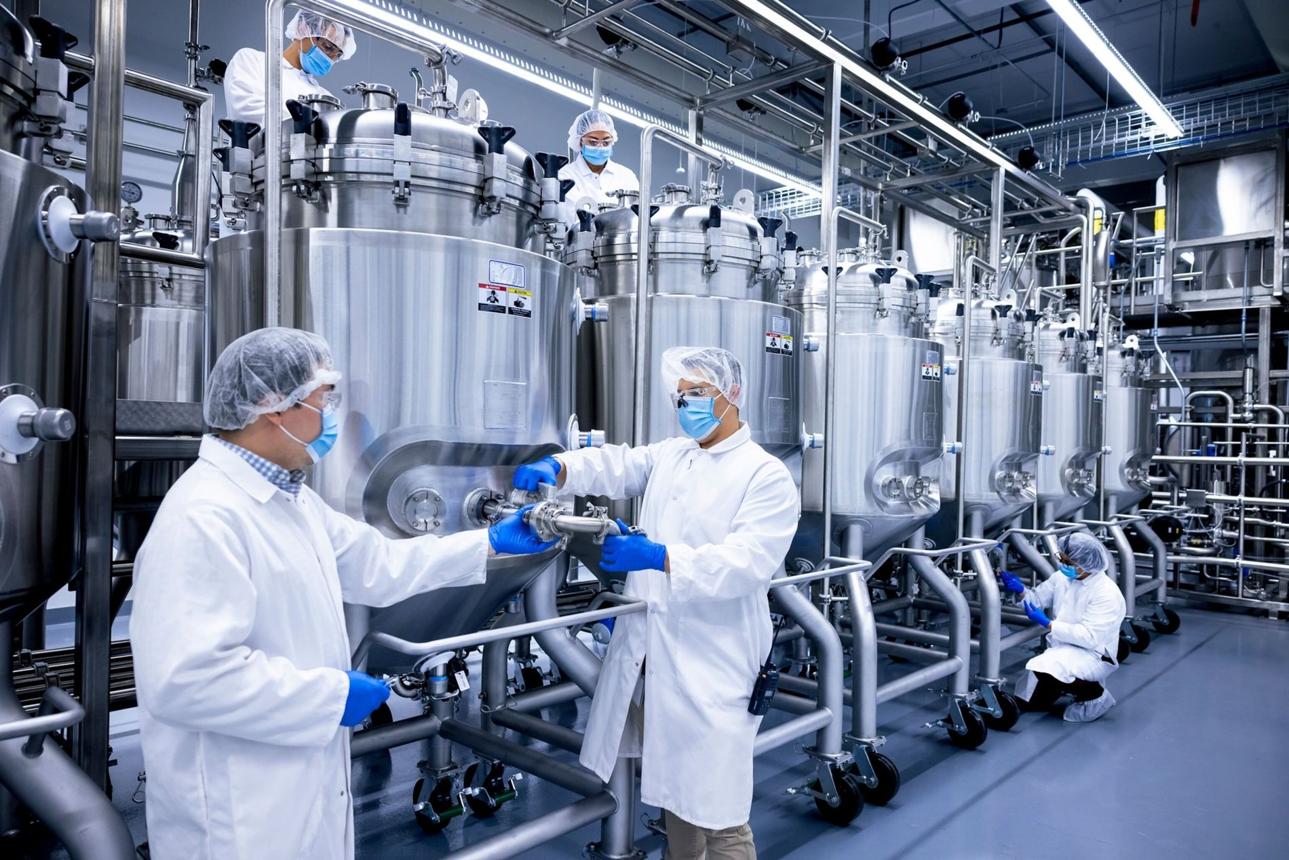
Introduction to Future Food Innovations
Future Food Innovations are changing how people grow, produce, process, and consume food in 2026. As the global population grows, climate change affects agriculture, and natural resources become more limited, scientists and food companies are exploring new ways to make food production more sustainable. Future Food Innovations include cultivated meat, precision fermentation, vertical farming, AI-powered agriculture, and other technologies that could transform the global food system.
These technologies offer hope for improving food security, reducing environmental pressure, and developing alternative sources of nutrition. However, they also introduce challenges involving production costs, food safety, consumer acceptance, and environmental impact. Some innovations are already being used commercially, while others remain under development or require further research.
Understanding Future Food Innovations can help readers discover which technologies may shape the future of food and which risks deserve closer attention.
Table of Contents
- Future Food Innovations in Cultivated Meat
- Future Food Innovations in Precision Fermentation
- Future Food Innovations in Vertical Farming
- Future Food Innovations in AI-Powered Agriculture
- Future Food Innovations in Algae-Based Foods
- Future Food Innovations in 3D Food Printing
- Future Food Innovations in Food Waste Reduction
- Future Food Innovations in Climate-Resilient Crops
- Future Food Innovations Comparison Table
- Future Food Innovations: Opportunities and Risks
- Conclusion
1. Future Food Innovations in Cultivated Meat
Cultivated meat is one of the most discussed Future Food Innovations because it aims to produce animal muscle cells without raising and slaughtering an entire animal. Scientists grow selected animal cells in controlled environments using suitable nutrients and specialized equipment. The goal is to create meat products that resemble conventional meat in taste, texture, and nutritional value.

This technology could offer another way to produce meat as demand increases. In the future, improved cell culture methods and manufacturing systems might make production more efficient. Cultivated meat could also reduce the need for some forms of livestock farming, although its actual environmental benefits depend on energy use, ingredients, and production methods.
Hope Behind Future Food Innovations in Cultivated Meat
The main opportunity is a new method of meat production that may use less land and reduce certain environmental pressures. It could also provide researchers with greater control over production conditions.
Hidden Risks of Future Food Innovations in Cultivated Meat
Large-scale production remains technically challenging and can require expensive equipment, energy, and carefully controlled conditions. The long-term environmental benefits and affordability are not guaranteed. Regulatory approval and consumer acceptance also differ between markets.
Image 1 placement: Add an image showing cultivated meat cells being grown in a modern food-science laboratory.
2. Future Food Innovations in Precision Fermentation
Precision fermentation uses selected microorganisms, such as yeast or bacteria, to produce specific ingredients. Depending on the process, these ingredients can include proteins, enzymes, fats, and other useful food components. Some companies are exploring fermentation-derived dairy proteins and other ingredients that could be used in familiar food products.
Among Future Food Innovations, precision fermentation is important because it can produce targeted ingredients without relying on conventional animal production for every component. The technology builds on established fermentation science but applies it to more specialized manufacturing goals.
Hope Behind Future Food Innovations in Precision Fermentation
Precision fermentation could support the production of alternative dairy ingredients, improve consistency, and provide new options for food manufacturers. It may also help create products for people seeking alternatives to certain animal-derived ingredients.
Hidden Risks of Future Food Innovations in Precision Fermentation
Fermentation facilities require suitable equipment, energy, nutrients, and quality control. Producing ingredients at competitive prices remains a challenge for some applications. Companies must also address allergen labeling, safety assessments, consumer trust, and applicable food regulations.

3. Future Food Innovations in Vertical Farming
Vertical farming grows crops in stacked layers, often inside buildings or specialized indoor facilities. Many systems use hydroponics, where plants receive nutrients through water rather than traditional soil. Artificial lighting and environmental controls can help farmers manage temperature, humidity, and growing conditions.
This approach is particularly interesting in cities where agricultural land is expensive or limited. Future Food Innovations in vertical farming may support the local production of leafy greens, herbs, and certain other crops throughout the year.
Hope Behind Future Food Innovations in Vertical Farming
Indoor farms can use space efficiently and may reduce transportation distances when located near consumers. Recirculating water systems can also reduce water consumption compared with some conventional farming methods.
Hidden Risks of Future Food Innovations in Vertical Farming
Electricity consumption, construction expenses, equipment maintenance, and crop selection can limit profitability. Indoor farming is not equally suitable for every crop, particularly crops that require extensive growing space or have low market prices. Its environmental performance depends heavily on the energy source and system design.
Image 2 placement: Add a realistic image of leafy green vegetables growing in a multi-level indoor vertical farm.
4. Future Food Innovations in AI-Powered Agriculture
Artificial intelligence is becoming a useful tool in agriculture. AI-powered systems can analyze satellite images, weather information, soil measurements, and crop photographs to help farmers identify potential problems. Some systems can estimate irrigation needs, detect signs of plant disease, or help farmers plan when to apply agricultural inputs.
Future Food Innovations using AI may make farming decisions more precise. Rather than treating every part of a field identically, farmers may be able to identify areas that need additional water, nutrients, or attention.
Hope Behind Future Food Innovations in AI-Powered Agriculture
Better predictions could help farmers manage resources, identify crop stress earlier, and reduce avoidable losses. Robotics and automated equipment may also help with repetitive tasks when they are affordable and appropriate for local farms.
Hidden Risks of Future Food Innovations in AI-Powered Agriculture
AI recommendations are only as reliable as the data and models behind them. Poor-quality data, unreliable connectivity, high equipment costs, and limited technical training can prevent farmers from benefiting. Farmers should retain practical judgment instead of depending entirely on automated recommendations.
5. Future Food Innovations in Algae-Based Foods
Algae, including certain seaweeds and microalgae, are being studied as potential sources of protein, fats, pigments, and other nutrients. Different species have different nutritional profiles, so they cannot all be treated as interchangeable ingredients. Some algae are already used in food products, while other applications remain under development.
Future Food Innovations involving algae may expand the range of ingredients available to food producers. Algae can grow in different aquatic environments, and some production systems may use resources that compete less directly with conventional farmland.
Hope Behind Future Food Innovations in Algae-Based Foods
Certain algae could provide useful nutrients and support new food products, including protein-rich ingredients and alternative oils. Carefully managed production may also create additional opportunities for coastal and agricultural businesses.
Hidden Risks of Future Food Innovations in Algae-Based Foods
Nutritional quality varies by species and production conditions. Contamination, excessive levels of certain compounds, unpleasant flavors, and processing costs can create challenges. Safe production requires suitable testing, monitoring, and compliance with food regulations.
6. Future Food Innovations in 3D Food Printing
Three-dimensional food printing uses specialized equipment to place edible materials into selected shapes and structures. Depending on the printer, ingredients may include doughs, purees, chocolate, or other materials with suitable textures. Researchers are also exploring applications involving customized food structures and specialized nutrition.
These Future Food Innovations could eventually help food manufacturers create products with precise shapes, portion sizes, and ingredient arrangements. In some settings, printing could also support customized meals for people with specific dietary requirements.
Hope Behind Future Food Innovations in 3D Food Printing
Food printing offers opportunities for product customization, creative food design, and controlled portion sizes. It may be useful in specialized catering, research laboratories, and certain healthcare or institutional food settings.
Hidden Risks of Future Food Innovations in 3D Food Printing
Printing equipment can be costly and slower than conventional mass production. Ingredients must have suitable properties, and finished products still require proper cooking, storage, and hygiene. The technology is unlikely to replace traditional food manufacturing across every category.
7. Future Food Innovations in Food Waste Reduction
Food waste remains a major challenge across farms, warehouses, supermarkets, restaurants, and households. New technologies can help identify spoilage, improve storage conditions, predict demand, and connect surplus food with organizations that can use it.
Future Food Innovations in this area include smart packaging, improved refrigeration monitoring, digital inventory systems, and AI-assisted demand forecasting. Some packaging technologies use sensors or indicators to provide information about changing storage conditions, although not every indicator directly measures whether food is safe to eat.
Hope Behind Future Food Innovations in Food Waste Reduction
Better forecasting and storage management may prevent avoidable losses and help businesses save money. Redirecting edible surplus food can also improve access to food while reducing the resources wasted in producing items that are never consumed.
Hidden Risks of Future Food Innovations in Food Waste Reduction
Smart packaging may increase costs and create additional material waste if it is not designed for recycling. Digital systems also require reliable data and participation from businesses. Technology alone cannot solve food waste without better purchasing, storage, transportation, and donation practices.
8. Future Food Innovations in Climate-Resilient Crops
Climate-resilient crops are developed or selected to perform better under environmental stresses such as drought, heat, salinity, or certain plant diseases. Researchers use conventional breeding, genetic tools, and other methods to develop varieties suited to changing growing conditions.
These Future Food Innovations are particularly important because extreme weather can threaten harvests and food prices. Developing crops that tolerate local environmental stresses could help farmers maintain more reliable production.
Hope Behind Future Food Innovations in Climate-Resilient Crops
Improved crop varieties may reduce harvest losses in difficult conditions and help farmers adapt to changing climates. Research can also focus on maintaining nutritional quality while improving resilience and productivity.
Hidden Risks of Future Food Innovations in Climate-Resilient Crops
No crop variety performs best in every location or climate. Seeds may be expensive or difficult to access, and some varieties require specific farming practices. Genetic technologies can also raise regulatory, ecological, and public-acceptance questions that must be evaluated carefully.
9. Future Food Innovations Comparison Table
The following table compares eight important areas of innovation. The development stage is a broad overview, not a claim that every technology is commercially mature or available in every country.
| Future Food Innovation | Main Opportunity | Key Challenge |
|---|---|---|
| Cultivated meat | Alternative meat production | Cost and scaling |
| Precision fermentation | Specialized food ingredients | Production economics |
| Vertical farming | Local, controlled crop production | Electricity costs |
| AI-powered agriculture | Better farm decisions | Data and accessibility |
| Algae-based foods | Alternative nutrient sources | Taste and safety controls |
| 3D food printing | Customized food structures | Speed and equipment costs |
| Food waste reduction | Fewer avoidable losses | Adoption and infrastructure |
| Climate-resilient crops | More reliable harvests | Local suitability and access |
10. Future Food Innovations: Opportunities and Risks
The potential benefits of Future Food Innovations are significant, but the technologies should be evaluated using evidence rather than excitement alone. Their success will depend on affordability, practical performance, public trust, and their impact on the environment.
Future Food Innovations and Their Potential Impact
The following illustrative scores compare the potential opportunities and implementation challenges of the eight innovation areas. They are editorial ratings for this article, not measured scientific results, market statistics, or predictions.
Illustrative opportunity score (out of 5)
Cultivated meat              ████░  4/5
Precision fermentation       ████░  4/5
Vertical farming             ███░░  3/5
AI-powered agriculture       █████  5/5
Algae-based foods            ████░  4/5
3D food printing             ███░░  3/5
Food waste reduction         █████  5/5
Climate-resilient crops      █████  5/5
The ratings reflect broad potential rather than guaranteed outcomes. For example, AI tools may be useful where farmers have reliable data and suitable equipment, while food waste reduction can produce benefits when businesses actually adopt effective storage and distribution practices.
Future Food Innovations and Environmental Responsibility
Environmental performance should be measured across the entire production system. A product that uses less land may still require substantial energy, water, processing, or transportation. Similarly, a new ingredient is not automatically more sustainable simply because it is produced using advanced technology.
Researchers and manufacturers should compare greenhouse gas emissions, water use, land requirements, energy sources, packaging, and waste. These comparisons help consumers and policymakers identify which solutions deliver meaningful benefits.
Future Food Innovations and Consumer Trust
People need clear information about ingredients, nutritional value, production methods, and food safety. New products should be assessed using appropriate scientific evidence and applicable regulations. Transparent labeling and responsible communication can help consumers make informed choices without exaggerating benefits or hiding limitations.
Access is equally important. If advanced foods remain too expensive, their benefits may be concentrated among wealthier consumers. Public research, appropriate regulation, and partnerships with local food producers may help make useful technologies more accessible.
Conclusion: The Future of Future Food Innovations
Future Food Innovations could reshape how the world produces and distributes food. Cultivated meat and precision fermentation may introduce new production methods, while vertical farming and AI could change how certain crops are grown. Algae-based foods, 3D food printing, waste-reduction technologies, and climate-resilient crops offer additional possibilities.
However, innovation alone cannot guarantee food security. Costs, environmental impacts, safety, infrastructure, and consumer acceptance will determine whether these technologies succeed beyond research and pilot projects.
The most promising approach is to evaluate each technology carefully, support transparent scientific research, and focus on solutions that meet real nutritional and environmental needs. In 2026, the future of food is not about one invention replacing every existing system. It is about combining practical innovations to build a more resilient, affordable, and sustainable food supply.
As research continues, Future Food Innovations may become an increasingly important part of discussions about agriculture, nutrition, climate adaptation, and global food security.