Table of Contents
- Introduction to Sleep Science Discoveries 2026
- Sleep Science Discoveries 2026 and Brain Health
- Sleep Science Discoveries 2026 and Circadian Rhythm
- Sleep Science Discoveries 2026 and Artificial Intelligence
- Sleep Science Discoveries 2026 and Memory
- Sleep Science Discoveries 2026 and Deep Sleep
- Sleep Science Discoveries 2026 and Sleep Disorders
- Benefits and Risks of Sleep Science Discoveries 2026
- Future of Sleep Science Discoveries 2026
- Frequently Asked Questions
Introduction to Sleep Science Discoveries 2026
Sleep Science Discoveries 2026 are helping researchers understand how sleep affects brain function, memory, mood, physical health, and daily performance. Sleep is not simply a period when the body rests. During sleep, the brain processes information, the body regulates important hormones, and several systems involved in recovery and immune function remain active.
Modern research uses brain imaging, wearable devices, laboratory sleep studies, and artificial intelligence to investigate why people sleep differently and what happens when they do not get enough rest. These developments may help improve sleep routines, identify sleep disorders earlier, and support more personalized treatments.
However, not every new sleep technology delivers accurate results, and not every popular sleep hack is supported by strong scientific evidence. Some devices estimate sleep stages rather than measuring them directly, while unproven supplements can carry unwanted risks.
Understanding the latest discoveries can help people make better decisions about sleep without falling for exaggerated claims.
Sleep Science Discoveries 2026 and Brain Health
Sleep and brain health are closely connected. Research shows that insufficient or disrupted sleep can affect attention, decision-making, emotional regulation, and reaction time. When people regularly sleep too little, everyday activities such as studying, driving, and working may become more difficult.
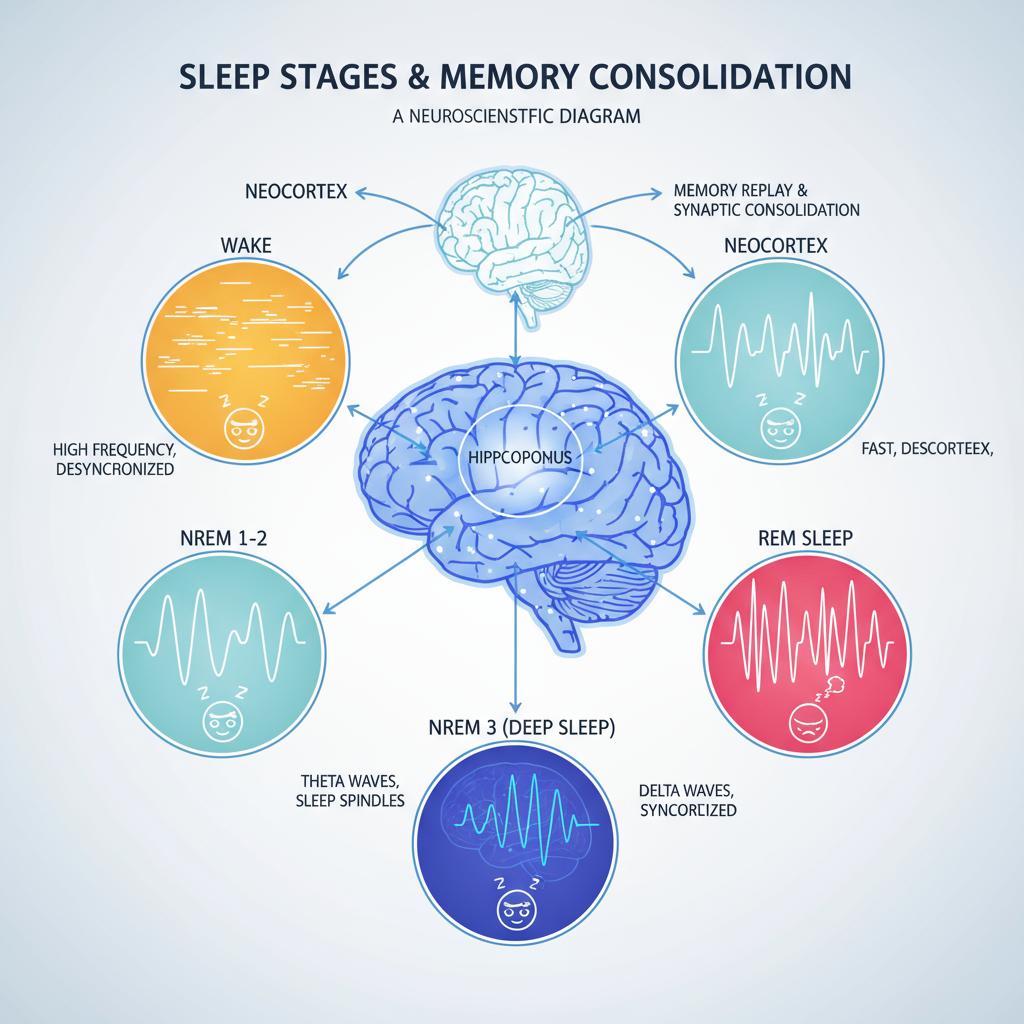
Scientists are also investigating how the brain changes during different sleep stages. Non-rapid eye movement sleep and rapid eye movement sleep have different patterns of brain activity and may contribute to memory, learning, and emotional processing in different ways.
Sleep is also being studied in relation to long-term brain health. Poor sleep has been associated with several neurological and cognitive health concerns, but an association does not prove that sleep problems directly cause every condition. Age, existing illnesses, stress, and other factors can influence both sleep and brain health.
The practical message is clear: consistent, sufficient sleep supports normal brain function. Yet claims that a specific sleep technique can prevent dementia or guarantee better intelligence require much stronger evidence.

Sleep Science Discoveries 2026 and Circadian Rhythm
The circadian rhythm is the body’s internal timing system. It helps coordinate when a person feels alert or sleepy and influences daily patterns in body temperature, hormone release, and other biological processes.
Light is one of the strongest signals affecting this internal clock. Morning daylight can help reinforce a regular sleep-wake schedule, while bright light late at night may delay sleepiness for some people. Shift work, jet lag, irregular schedules, and late-night screen use can also interfere with sleep timing.
Researchers continue to study how light exposure, daily routines, and individual biological differences affect circadian rhythms. This knowledge may improve support for people who work at night or struggle to fall asleep at conventional times.
A useful approach is to keep a consistent wake-up time, get daylight during the day, and create a quieter, darker environment at bedtime. Screen use is not the only factor in sleep quality, but reducing bright light and stimulating activities close to bedtime may help some people.
Sleep Science Discoveries 2026 and Artificial Intelligence
Artificial intelligence is becoming an important research tool in sleep science. AI systems can analyze large datasets containing brain-wave measurements, breathing patterns, heart rate, movement, and other signals recorded during sleep studies.
Traditionally, experts review sleep-study data to identify different sleep stages and possible signs of disorders. AI may help automate parts of this process, highlight unusual patterns, and support research into conditions such as sleep apnea and insomnia.
Wearable devices and smart rings also use algorithms to estimate sleep duration, sleep stages, and nighttime movement. These estimates can help people notice broad patterns over time, especially when combined with a sleep diary and information about daytime energy.
However, consumer devices are not equivalent to clinical sleep studies. Their estimates can differ from laboratory measurements, and a high sleep score does not guarantee that sleep is healthy. People should not use a wearable alone to diagnose a disorder or change prescribed treatment.
AI can make sleep research more efficient, but its conclusions still need validation and careful interpretation.
Sleep Science Discoveries 2026 and Memory
Sleep plays an important role in learning and memory. During sleep, the brain processes and reorganizes information acquired during the day. Different sleep stages appear to contribute to different aspects of memory, although the exact mechanisms remain an active area of research.
For students, sufficient sleep can support attention and the ability to learn new material. Staying awake all night to study may increase the amount of time spent looking at notes, but it can also impair concentration and recall the following day.
Researchers are exploring how memory-related brain activity changes during sleep. Some experimental approaches attempt to influence particular sounds or cues during specific sleep stages, but these techniques are not guaranteed to improve memory and should not replace ordinary study and sleep habits.
A practical strategy is to study consistently, review material over several sessions, and maintain a regular sleep schedule. Sleep supports learning, but it cannot replace preparation, practice, or effective study methods.
Sleep Science Discoveries 2026 and Deep Sleep
Deep sleep is a stage of non-rapid eye movement sleep associated with slow brain waves. It is especially prominent earlier in the night and is involved in important restorative processes.
Scientists investigate deep sleep to understand how it relates to physical recovery, memory, and brain function. Research has also examined whether certain sounds, stimulation methods, or changes in sleep routines can influence slow-wave activity. Some approaches are promising in experimental settings, but they are not established solutions for every sleep problem.
Sleep architecture—the pattern of sleep stages across the night—changes with age and varies between individuals. Therefore, there is no single ideal percentage of deep sleep that every person must reach each night.
Trying too hard to maximize a wearable’s deep-sleep score may cause unnecessary worry. It is usually more helpful to consider overall sleep duration, regularity, daytime alertness, and whether a person feels rested.
A cool, comfortable, quiet bedroom and a consistent schedule can support good sleep, although they cannot guarantee a particular amount of deep sleep.
Sleep Science Discoveries 2026 and Sleep Disorders
Sleep science is improving understanding of conditions that interfere with healthy rest. Insomnia, obstructive sleep apnea, restless legs syndrome, and circadian rhythm disorders can all affect sleep in different ways.
Insomnia involves persistent difficulty falling asleep, staying asleep, or returning to sleep, often with daytime consequences. Evidence-based treatments, including cognitive behavioral therapy for insomnia (CBT-I), can help many people. Simply telling someone to relax is not always enough to resolve persistent insomnia.
Obstructive sleep apnea occurs when breathing repeatedly becomes reduced or blocked during sleep. Loud snoring, gasping during the night, and excessive daytime sleepiness can be warning signs, although diagnosis requires appropriate medical assessment. Effective treatments are available, and untreated sleep apnea can increase health risks.
Researchers are also studying how digital tools can support screening and treatment. These tools may improve access to information, but they should complement—not replace—professional evaluation when symptoms are persistent or severe.

Recognizing sleep problems early can help people receive appropriate care and avoid relying on unverified online remedies.
Benefits and Risks of Sleep Science Discoveries 2026
Sleep research offers many opportunities to improve health and daily life, but new technologies and treatments also have limitations.
| Discovery area | Potential benefit | Hidden risk or limitation |
|---|---|---|
| Brain and sleep research | Better understanding of attention and cognition | Findings may be oversimplified |
| Circadian rhythm science | Improved sleep timing and routine | Light strategies may not suit every schedule |
| AI sleep analysis | Faster review of sleep-study data | Algorithms may make errors |
| Memory research | Better understanding of learning | Experimental techniques may be overstated |
| Deep sleep research | New insights into restorative sleep | Chasing sleep scores can cause stress |
| Sleep disorder research | Earlier assessment and better treatment | Self-diagnosis may delay proper care |
| Wearable sleep tracking | Useful long-term sleep estimates | Results may not match clinical measurements |
The strongest benefit comes from combining scientific evidence with sensible habits. Technology can provide helpful clues, but persistent sleep problems deserve attention rather than endless attempts to improve a score.
Sleep Science Discoveries 2026: Research Focus Graph
The graph below is a qualitative illustration of major research themes, not a measured ranking of scientific progress or treatment effectiveness.
Major sleep research themes

Brain health and memory       █████
Circadian rhythm              █████
Sleep disorder diagnosis      █████
AI-assisted sleep analysis    ████░
Deep sleep mechanisms         ████░
Personalized sleep technology ███░░
These bars indicate broad areas of active scientific interest, not exact numerical results. The maturity of evidence differs within each area, and no single research theme guarantees better sleep for everyone.
Future of Sleep Science Discoveries 2026
The future of sleep research may bring more accurate monitoring, better screening tools, and treatments tailored to individual needs. Researchers may combine information from clinical sleep studies, medical history, wearable measurements, and circadian patterns to understand sleep difficulties more clearly.
AI could help clinicians identify patterns that are difficult to detect manually, while improved studies may clarify how sleep affects long-term physical and mental health. New therapies may also offer better options for people with insomnia, sleep apnea, and other sleep disorders.
Privacy will remain important as sleep devices collect increasingly detailed personal data. People should understand what their devices measure, how their data are stored, and whether information is shared with third parties.
Most importantly, the future of sleep science should focus on meaningful health outcomes rather than impressive-looking scores. Better sleep means more than reaching a target number on a screen. It means getting sufficient, reasonably regular rest and feeling able to function during the day.
Frequently Asked Questions About Sleep Science Discoveries 2026
What are the most important Sleep Science Discoveries 2026?
Major areas include brain health, circadian rhythms, AI-assisted sleep analysis, memory, deep sleep, and improved understanding of sleep disorders. The evidence and practical value vary by discovery.
How many hours of sleep do adults need?
Most adults generally need at least seven hours of sleep per night, although individual needs vary. Sleep quality, regularity, age, and health also matter.
Are smart rings and watches accurate for sleep tracking?
They can be useful for estimating sleep duration and observing trends, but their sleep-stage estimates are not always accurate. They should not be used to diagnose sleep disorders.
Can deep sleep be increased naturally?
A regular schedule, sufficient time for sleep, a comfortable bedroom, and limiting late-day caffeine may help support healthy sleep. No method can guarantee a specific amount of deep sleep.
When should someone seek help for sleep problems?
Seek medical advice if sleep difficulties persist, daytime sleepiness affects daily life, or symptoms such as loud snoring, gasping, or breathing pauses occur during sleep.
Conclusion: Sleep Science Discoveries 2026 Bring Better Rest and Hidden Risks
Sleep Science Discoveries 2026 are helping researchers understand the connections between sleep, brain health, memory, body clocks, and sleep disorders. AI and wearable technology may make some sleep information easier to access, while continued research could improve diagnosis and treatment.
Still, tracking devices have limitations, and experimental discoveries do not always translate into proven solutions. Consistent sleep habits and appropriate medical care remain more dependable than unverified sleep hacks.
Better rest begins with evidence-based habits—not chasing perfect sleep scores.