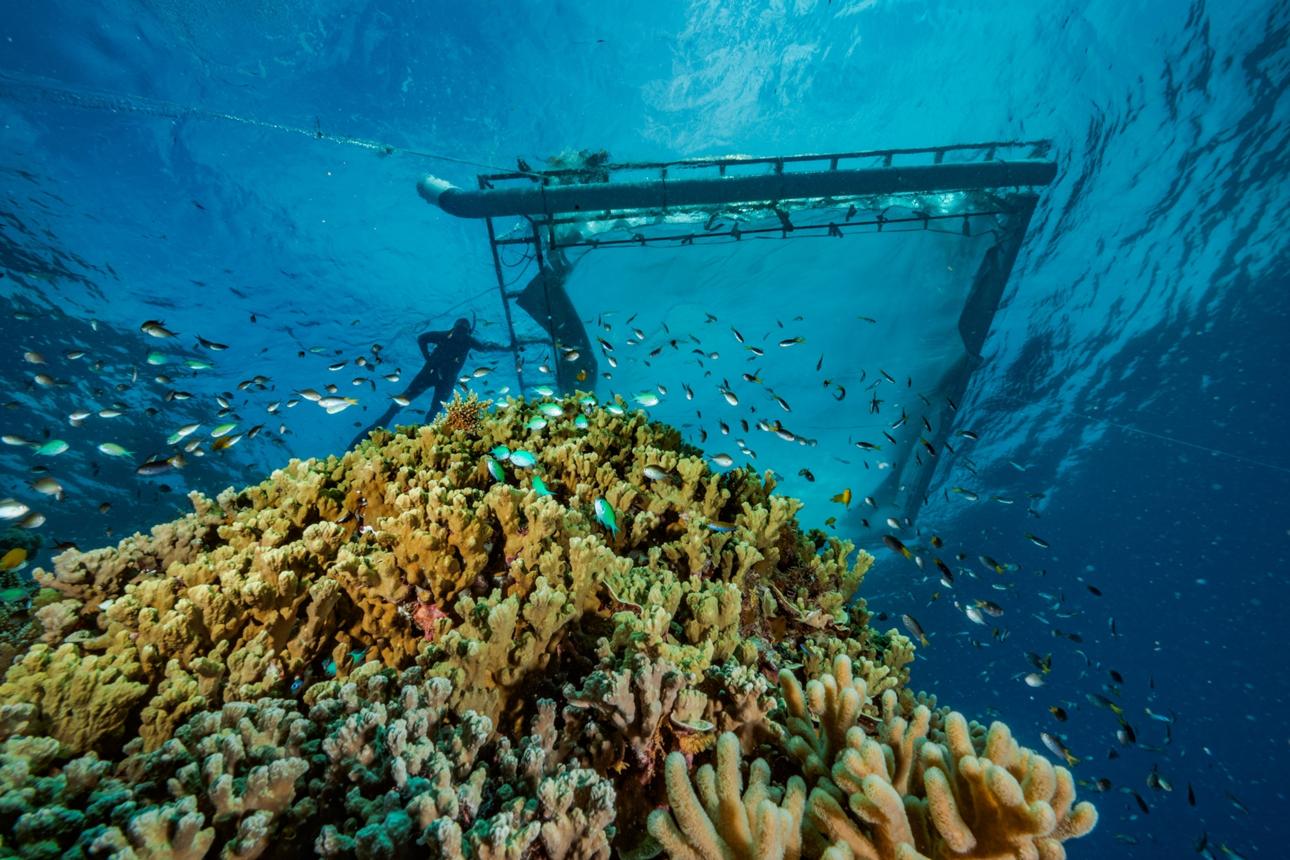
Ocean Restoration Research is becoming increasingly important in 2026 as scientists search for ways to protect marine ecosystems, restore damaged habitats, and improve the health of the world’s oceans. Rising ocean temperatures, plastic pollution, destructive fishing practices, acidification, and habitat loss are placing pressure on marine life. Researchers are developing new approaches to help coral reefs recover, rebuild seagrass meadows, restore oyster reefs, and monitor underwater ecosystems.
Ocean restoration does not mean simply cleaning beaches or removing visible plastic. It also involves repairing ecological processes, protecting biodiversity, improving water quality, and helping marine habitats become more resilient to future environmental changes. Some restoration methods have already demonstrated benefits in specific locations, while others still require extensive testing.
These developments offer hope for marine biodiversity, coastal communities, and fisheries. However, restoration projects can be expensive, difficult to scale, and vulnerable to climate change. Understanding Ocean Restoration Research helps readers discover which approaches could make a meaningful difference and which risks need careful attention.
Table of Contents
- Ocean Restoration Research and Coral Reef Recovery
- Ocean Restoration Research and Seagrass Restoration
- Ocean Restoration Research and Oyster Reef Recovery
- Ocean Restoration Research and Mangrove Protection
- Ocean Restoration Research and Seaweed Restoration
- Ocean Restoration Research and Plastic Pollution
- Ocean Restoration Research and AI Monitoring
- Ocean Restoration Research and Marine Protected Areas
- Ocean Restoration Research Comparison Table
- Ocean Restoration Research: Hope and Hidden Risks
- Conclusion
1. Ocean Restoration Research and Coral Reef Recovery
Coral reefs provide habitat for many marine species and support tourism, fisheries, and coastal protection. Yet warming oceans can cause coral bleaching, while pollution, disease, and destructive activities can damage reef ecosystems. Ocean Restoration Research is investigating ways to help damaged reefs recover and improve the survival of young corals.
One approach involves coral nurseries, where fragments or young corals are raised before being transferred to suitable reef locations. Scientists are also studying coral species and populations that tolerate higher temperatures, as well as methods for improving reef monitoring and selecting restoration sites.
Hope Behind Ocean Restoration Research for Coral Reefs
Coral restoration can help rebuild damaged areas and provide habitat for marine organisms. Combining carefully selected restoration sites with pollution control and effective fishing management may improve the chances of long-term recovery.
Hidden Risks of Ocean Restoration Research for Coral Reefs
Transplanting corals cannot solve ocean warming on its own. Heatwaves may damage restored reefs, and poorly selected coral sources may introduce disease or reduce local genetic diversity. Restoration must therefore complement emissions reduction and protection of existing healthy reefs.
2. Ocean Restoration Research and Seagrass Restoration
Seagrass meadows are underwater flowering-plant habitats that provide shelter for fish and invertebrates. They also stabilize sediment, improve water clarity, and store carbon in their roots and surrounding seabed. Coastal development, pollution, boat damage, and changes in water conditions can destroy these valuable habitats.
Scientists are exploring seed planting, transplanting seagrass shoots, and improving the conditions needed for natural recovery. Successful restoration often depends on understanding local water quality, sediment movement, depth, and the availability of suitable seagrass species.
Hope Behind Ocean Restoration Research for Seagrass Meadows
Restored seagrass meadows can provide nursery habitat for marine species and help stabilize coastal sediments. In suitable conditions, they may also contribute to long-term carbon storage and improve local ecosystem health.

Hidden Risks of Ocean Restoration Research for Seagrass Meadows
Planting seagrass in unsuitable locations can lead to failure and wasted resources. Poor water quality, storms, boat activity, and continued coastal disturbance can prevent recovery. Protecting remaining meadows and reducing the causes of damage are often as important as planting new vegetation.
3. Ocean Restoration Research and Oyster Reef Recovery
Oyster reefs are important marine habitats formed by clusters of oysters. They can provide shelter for fish and other organisms, filter suspended particles from water, and help stabilize certain shorelines. In many regions, oyster reefs have declined because of overharvesting, pollution, disease, and habitat destruction.
Ocean Restoration Research is examining how suitable reef structures and carefully managed oyster populations can help these habitats recover. Depending on local conditions, projects may use recycled oyster shells, specially designed reef materials, or other appropriate substrates to support new oyster settlement.
Hope Behind Ocean Restoration Research for Oyster Reefs
Healthy oyster reefs can support biodiversity, improve some aspects of water quality, and provide habitat for commercially important species. Well-designed restoration can also strengthen local coastal conservation efforts.
Hidden Risks of Ocean Restoration Research for Oyster Reefs
Oysters cannot remove every pollutant, and filtration does not eliminate the need to control pollution at its source. Disease, unsuitable salinity, poor water quality, and inappropriate restoration materials can undermine projects. Site selection and ongoing monitoring are essential.
4. Ocean Restoration Research and Mangrove Protection
Mangroves grow along tropical and subtropical coastlines, where their roots create habitat for fish, crabs, and other organisms. These coastal forests can reduce erosion, store carbon, and help lessen wave energy under suitable conditions. However, coastal development, pollution, aquaculture expansion, and changes in water flow have damaged many mangrove habitats.
Researchers and conservation organizations are investigating how to restore natural tidal movement, protect existing mangroves, and re-establish vegetation where environmental conditions remain suitable. Successful restoration often begins with identifying why a mangrove forest disappeared rather than immediately planting seedlings.
Hope Behind Ocean Restoration Research for Mangroves
Mangrove recovery can strengthen coastal ecosystems, provide wildlife habitat, and support communities that depend on healthy fisheries. Protecting mature mangrove forests is particularly valuable because established ecosystems may provide benefits that take years to reproduce.
Hidden Risks of Ocean Restoration Research for Mangroves
Planting the wrong species or selecting unsuitable locations can produce poor results. Projects may fail when tidal flows, sediment conditions, or local hydrology are ignored. Restoration plans should also respect community land rights and avoid damaging other valuable coastal habitats.
Picture 1 placement: Add a realistic image of a healthy mangrove forest meeting clear coastal water, with visible roots and marine habitat.
5. Ocean Restoration Research and Seaweed Restoration
Seaweed forests, including kelp forests, provide food and shelter for many marine organisms. They can support fisheries, contribute to coastal biodiversity, and create complex underwater habitats. Marine heatwaves, grazing pressure, pollution, and changing ocean conditions can contribute to their decline.
Researchers are testing methods such as transplanting young kelp, cultivating seaweed in nurseries, and managing the ecological conditions that allow seaweed forests to recover. Some projects also investigate whether restoring natural predator populations can help control excessive grazing by sea urchins.
Hope Behind Ocean Restoration Research for Seaweed Forests
Healthy seaweed forests can support marine biodiversity and provide important habitat for fish and invertebrates. Restoration may also support local fishing communities and create opportunities for carefully managed seaweed production.
Hidden Risks of Ocean Restoration Research for Seaweed Forests
Seaweed restoration may fail where ocean temperatures remain unsuitable or grazing pressure is too high. Large-scale seaweed cultivation is not automatically environmentally beneficial, and its effects depend on location, species, farming methods, and ecosystem conditions. Projects need long-term ecological monitoring.
6. Ocean Restoration Research and Plastic Pollution
Plastic waste threatens marine animals and can damage habitats when it accumulates along coastlines, in rivers, and in the open ocean. Ocean Restoration Research is investigating better methods for detecting plastic pollution, preventing waste from reaching the sea, and removing debris from carefully selected environments.
New monitoring approaches include remote sensing, automated image recognition, underwater surveys, and systems that track waste in rivers and coastal waters. Cleanup technologies can help remove certain kinds of floating or accessible debris, while improved waste collection and recycling can prevent additional pollution.
Hope Behind Ocean Restoration Research for Plastic Reduction
Removing accumulated debris can protect wildlife in affected areas and improve the condition of beaches, wetlands, and other coastal habitats. Better monitoring can help authorities identify pollution sources and direct cleanup resources where they are most useful.
Hidden Risks of Ocean Restoration Research for Plastic Pollution
Removing plastic from the ocean is difficult because much of it becomes fragmented, sinks, or spreads across vast areas. Some collection systems may accidentally capture marine organisms or disturb habitats. Prevention, better waste management, and reducing plastic leakage are essential alongside cleanup.
Picture 2 placement: Add a realistic image of a marine conservation team removing plastic debris from a coastal habitat without disturbing wildlife.
7. Ocean Restoration Research and AI Monitoring
Restoration projects need reliable information to determine whether habitats are recovering. Traditional monitoring can require divers, boats, laboratory testing, and repeated field visits. Artificial intelligence is increasingly being explored to analyze underwater photographs, acoustic recordings, satellite images, and sensor data.
Ocean Restoration Research using AI can help scientists identify coral cover, count certain marine organisms, map habitats, and detect environmental changes more efficiently. Underwater robots and autonomous vehicles can also collect observations from locations that are difficult for human researchers to reach.
Hope Behind Ocean Restoration Research with AI
AI-assisted monitoring may help researchers compare restoration sites over time and identify areas that need additional attention. Automated analysis can also reduce the time required to process large collections of underwater images.
Hidden Risks of Ocean Restoration Research with AI
AI systems can misidentify species, overlook unusual conditions, or produce biased results when training data are incomplete. Equipment can be expensive, and remote communities may lack the resources needed to use advanced systems. Human verification and transparent data methods remain important.
8. Ocean Restoration Research and Marine Protected Areas
Marine protected areas are regions where certain human activities are restricted or managed to conserve marine ecosystems. Their rules vary, from restrictions on particular fishing practices to areas where most extractive activities are prohibited. When designed and enforced effectively, these protections can help marine populations recover and safeguard important habitats.
Researchers study how protected areas affect fish populations, biodiversity, habitat condition, and nearby fishing communities. Restoration projects can be more successful when damaged ecosystems receive protection from the activities that caused their decline.
Hope Behind Ocean Restoration Research in Protected Areas
Effective marine protection can give habitats and wildlife time to recover. Well-connected protected areas may also support ecological resilience and help safeguard breeding grounds and migration routes.
Hidden Risks of Ocean Restoration Research in Protected Areas
A protected area on a map does not guarantee ecological recovery. Weak enforcement, inadequate funding, pollution, and climate change can limit results. Restrictions can also affect local livelihoods if communities are excluded from decision-making or lack alternative economic opportunities.
9. Ocean Restoration Research Comparison Table
The following table compares eight restoration approaches, their potential benefits, and major challenges.
| Restoration Approach | Potential Benefit | Main Challenge |
|---|---|---|
| Coral reef recovery | Restores reef habitat | Ocean warming |
| Seagrass restoration | Supports marine life and sediment stability | Water quality |
| Oyster reef recovery | Creates habitat and filters particles | Disease and pollution |
| Mangrove protection | Supports coastal biodiversity | Hydrology and land use |
| Seaweed restoration | Rebuilds underwater forests | Heat and grazing |
| Plastic pollution control | Reduces debris impacts | Widespread contamination |
| AI monitoring | Improves habitat assessment | Data quality and cost |
| Marine protected areas | Reduces harmful activities | Enforcement and funding |
10. Ocean Restoration Research: Hope and Hidden Risks
Ocean Restoration Research offers practical ways to repair some damaged marine habitats, but restoration is not a substitute for preventing further harm. The best projects usually combine habitat recovery with pollution reduction, responsible resource management, and protection of existing ecosystems.
Ocean Restoration Research and Environmental Benefits
Healthy marine ecosystems support biodiversity, fisheries, tourism, and coastal livelihoods. Coral reefs, mangroves, seagrass meadows, oyster reefs, and seaweed forests each provide different ecological benefits. Protecting several connected habitats can be more effective than focusing on a single location in isolation.
However, results vary by species, region, and restoration method. Projects should measure outcomes such as habitat survival, biodiversity, water quality, and long-term ecosystem function instead of counting only how many plants or corals were initially installed.
Ocean Restoration Research and Climate Change
Climate change presents a major challenge for marine restoration. Warming water, marine heatwaves, sea-level changes, and ocean acidification can reduce the survival of restored organisms. Restoration may improve ecosystem resilience in some locations, but it cannot prevent these global pressures by itself.
Reducing greenhouse gas emissions, limiting local pollution, and protecting climate refuges are important parts of a broader ocean conservation strategy.
Ocean Restoration Research and Community Participation
Coastal communities often have valuable knowledge about local fishing grounds, seasonal changes, and habitat conditions. Involving these communities can improve project design, monitoring, and long-term stewardship. Transparent goals and fair decision-making are particularly important when restoration affects access to fishing areas or coastal resources.
Picture 3 placement: Add a realistic image of marine scientists surveying a restored coral reef with underwater monitoring equipment.
Ocean Restoration Research: Illustrative Opportunity Graph
The graph below gives an editorial comparison of the potential contribution of selected approaches to restoration. These scores are illustrative, not measured scientific results or rankings of actual project success.
Habitat restoration       █████  5/5
Plastic prevention        █████  5/5
Marine protection         █████  5/5
AI monitoring             ████░  4/5
Coastal ecosystem recovery ████░  4/5
The scores reflect broad potential rather than guaranteed outcomes. Actual performance depends on local ecological conditions, funding, project design, community involvement, and long-term monitoring.
Conclusion: The Future of Ocean Restoration Research
Ocean Restoration Research is opening new possibilities for recovering coral reefs, seagrass meadows, oyster reefs, mangroves, and seaweed forests. AI monitoring and marine protected areas can also help researchers measure ecological change and reduce pressure on vulnerable habitats.
Nevertheless, restoration projects face serious challenges, including climate change, pollution, limited funding, and uncertain long-term survival. Planting organisms or removing debris will not deliver lasting results unless the causes of ecosystem damage are addressed.
The most promising future combines strong scientific evidence, habitat protection, pollution prevention, responsible technology, and community participation. With realistic goals and long-term monitoring, Ocean Restoration Research can contribute to healthier oceans and more resilient coastal communities.