Iconic Cocktails: Manhattan, Cosmopolitan & More

A great cocktail is more than just a drink. It’s a story in a glass. It’s a blend of history, culture, and craftsmanship. Certain cocktails have risen above the rest, becoming timeless icons recognized worldwide. They are the drinks you see in classic films and order at the most sophisticated bars.

These iconic cocktails have endured for a reason. They represent a perfect balance of flavors—sweet, sour, bitter, and strong. From the bold whiskey notes of a Manhattan to the vibrant citrus of a Cosmopolitan, each one offers a unique experience. Understanding them is like learning a new language of flavor.

In this ultimate guide, we will journey through the world of legendary drinks. We will explore their fascinating origins, break down their essential recipes, and share the secrets to making them perfectly at home. Here at FastFlavorz, we believe that everyone can be a great home bartender. Let’s get started.

The Manhattan: A Taste of Timeless Sophistication

The Manhattan is the epitome of a classic cocktail. It’s dark, strong, and unapologetically elegant. Sipping one feels like stepping back into New York’s Gilded Age.

A Sip of History

The most popular origin story places the Manhattan’s creation in the early 1870s at New York City’s Manhattan Club. The drink was supposedly crafted for a banquet hosted by Lady Randolph Churchill, Winston Churchill’s mother. While this story is likely a romantic myth, the cocktail undoubtedly hails from this era of high society. It quickly became a staple for anyone seeking a serious, spirit-forward drink.

The Classic Manhattan Recipe

Making a Manhattan is an exercise in simplicity and precision. The quality of your ingredients will shine through.

IngredientAmountNotes
Rye Whiskey2 oz (60 ml)Provides a spicy backbone. Bourbon can be used for a sweeter profile.
Sweet Vermouth1 oz (30 ml)Choose a quality brand like Carpano Antica or Cocchi di Torino.
Angostura Bitters2 dashesThe essential “spice” of the cocktail.
GarnishBrandied CherryA high-quality cherry is non-negotiable. Avoid bright red maraschinos.

Instructions:

  1. Fill a mixing glass with ice.
  2. Add the rye whiskey, sweet vermouth, and Angostura bitters.
  3. Stir the mixture with a bar spoon for about 20-30 seconds. The goal is to chill and dilute without creating ice shards.
  4. Strain the cocktail into a chilled coupe or martini glass.
  5. Garnish with a single brandied cherry.

Glassware and Technique: The Stirred vs. Shaken Debate

“Stir drinks that are all spirits. Shake drinks that have juice, cream, or eggs.” – An Old Bartender’s Rule

The Manhattan is a spirit-only cocktail. It should always be stirred, never shaken. Shaking aerates the drink, making it cloudy and introducing too much dilution. Stirring maintains its beautiful clarity and silky texture. Serve it in a chilled coupe or a martini glass for the perfect presentation.

Iconic Cocktails: Manhattan, Cosmopolitan & More

Popular Manhattan Variations

  • Perfect Manhattan: Uses equal parts sweet and dry vermouth (0.5 oz of each) for a drier, more complex flavor.
  • Black Manhattan: Replaces the sweet vermouth with an Italian amaro, like Averna, for a rich, bittersweet profile.
  • Rob Roy: Swaps the rye whiskey for Scotch whisky.

The Cosmopolitan: The Modern Pink Icon

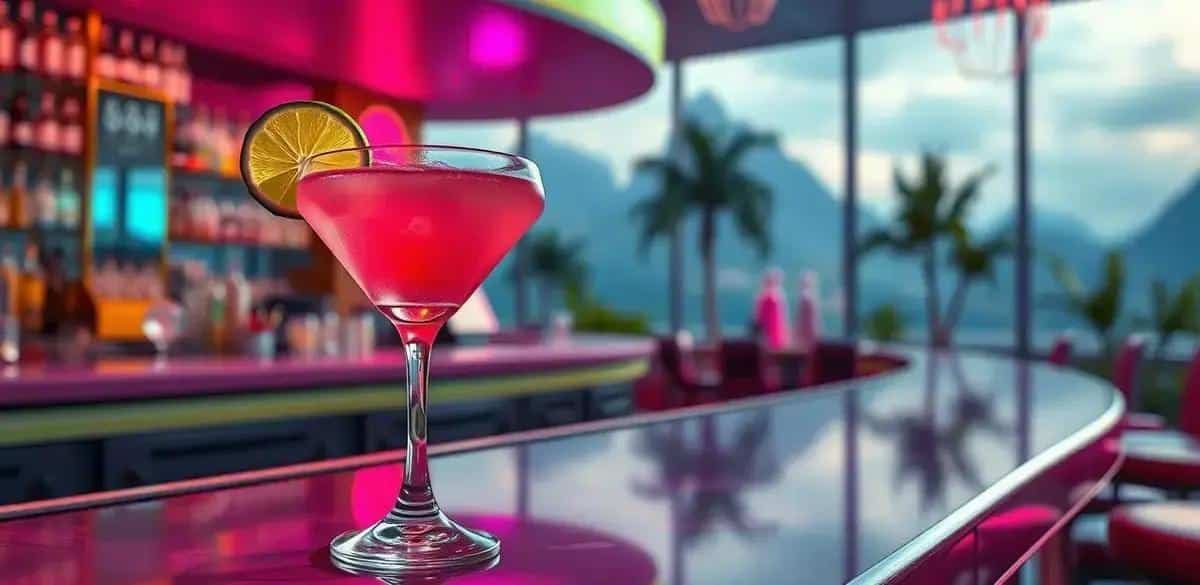
If the Manhattan is old-world charm, the Cosmopolitan is modern chic. This vibrant pink drink exploded in popularity in the 1990s, thanks in no small part to its starring role in the TV show Sex and the City.

The Rise of a Modern Classic

The “Cosmo” wasn’t born in the 90s, but it was perfected then. Bartenders in the 1980s were experimenting with new flavored vodkas. The modern version is widely credited to Toby Cecchini in 1988, who refined an existing recipe by using fresh lime juice and Cointreau. It became the symbol of a fun, cosmopolitan lifestyle.

The Perfect Cosmopolitan Recipe

A well-made Cosmopolitan is balanced, tart, and refreshing—not the overly sweet drink it’s sometimes mistaken for.

IngredientAmountNotes
Citrus Vodka1.5 oz (45 ml)Lemon or citron-flavored vodka adds a bright layer.
Cointreau1 oz (30 ml)A high-quality orange liqueur is essential for depth.
Fresh Lime Juice0.75 oz (22 ml)Always use fresh-squeezed juice. It makes all the difference.
Cranberry Juice0.5 oz (15 ml)Just a splash for color and a hint of tartness. Use 100% cranberry, not cocktail.
GarnishOrange or Lemon TwistExpressing the oils from the peel over the drink adds aroma.

Instructions:

  1. Fill a cocktail shaker with ice.
  2. Add the citrus vodka, Cointreau, fresh lime juice, and cranberry juice.
  3. Shake vigorously for 10-15 seconds until the shaker is ice-cold.
  4. Double-strain the cocktail into a chilled martini glass. (Double-straining uses a fine mesh strainer to catch tiny ice chips).
  5. Garnish with an orange or lemon twist.

Why Shaking Matters for a Cosmo

Unlike the Manhattan, the Cosmopolitan contains citrus juice. Shaking serves three purposes: it chills, dilutes, and aerates the drink. The aeration creates a lighter, frothier texture that is perfect for a citrus-forward cocktail. Shaking is what gives the Cosmo its lively character.

Cosmopolitan Twists

  • White Cosmopolitan: Replaces cranberry juice with white cranberry juice and uses an elderflower liqueur like St-Germain.
  • Pomegranate Cosmo: Uses pomegranate juice instead of cranberry for a deeper red color and richer flavor.

The Old Fashioned: The Original Cocktail

The Old Fashioned isn’t just a cocktail; it’s the definition of a cocktail. It is the grandfather of all mixed drinks, a pure and simple celebration of good whiskey.

A Cocktail of Legend

In the early 1800s, a “cocktail” was defined as a mix of spirits, sugar, water, and bitters. As new, fancier drinks emerged, patrons began asking for a drink made the “old-fashioned way.” This is how the Old Fashioned got its name. It’s a testament to the idea that simple is often best.

Iconic Cocktails: Manhattan, Cosmopolitan & More

“There is something beautiful in its simplicity. It’s the purest expression of a cocktail you can find.” – Modern Mixologist

Crafting the Timeless Old Fashioned

Building an Old Fashioned directly in the glass is part of its ritual.

IngredientAmountNotes
Bourbon or Rye Whiskey2 oz (60 ml)Bourbon is sweeter and smoother; rye is spicier.
Sugar Cube1Or use 1 tsp of simple syrup (1:1 sugar and water).
Angostura Bitters2-3 dashesThe spice rack of the cocktail world.
Splash of Water or Club Sodaa small splashJust enough to help dissolve the sugar.
GarnishOrange PeelThe essential final touch for its aromatic oils.

Instructions:

  1. Place the sugar cube in an Old Fashioned glass (also known as a rocks glass).
  2. Add the dashes of Angostura bitters and a small splash of water.
  3. Muddle the sugar cube until it is dissolved into a syrup.
  4. Add a large ice cube or several smaller ones to the glass.
  5. Pour the whiskey over the ice.
  6. Stir gently to combine and chill.
  7. Express an orange peel over the drink by squeezing it to release its oils, then drop it into the glass as a garnish.

The Great Muddle Debate

One of the biggest controversies in the cocktail world is whether to muddle fruit in an Old Fashioned. Traditionalists argue that only the sugar, bitters, and water should be muddled. The orange peel is for garnish and aroma only. A more modern, “Wisconsin-style” Old Fashioned often includes a muddled orange slice and cherry, creating a much sweeter, fruitier drink. For a classic experience, stick to the peel.

The Margarita: The Ultimate Fiesta Drink

No cocktail says “party” quite like a Margarita. This tequila-based classic is the most popular cocktail in the world for a reason. It’s the perfect balance of boozy, sweet, and sour.

Tales from South of the Border

The Margarita’s exact origin is a mystery, with dozens of claims dating from the 1930s and 40s. One story credits it to a Mexican restaurant owner named Carlos “Danny” Herrera, who created it for a showgirl allergic to all spirits except tequila. Another tale names a Dallas socialite, Margarita Sames, as its inventor. Regardless of its true creator, the drink’s popularity soared in America, becoming a staple of Mexican restaurants and bars everywhere.

The Ultimate Margarita Recipe

Forget the sugary pre-made mixes. A real Margarita uses just three simple ingredients.

IngredientAmountNotes
Blanco Tequila2 oz (60 ml)Use 100% blue agave tequila for the best flavor.
Cointreau or Triple Sec1 oz (30 ml)Cointreau is a premium triple sec that adds a clean orange flavor.
Fresh Lime Juice1 oz (30 ml)This is non-negotiable. Bottled juice will ruin the drink.
GarnishLime Wedge and Salt RimThe salt rim enhances the flavors.

Instructions:

  1. Prepare your glass. Rub a lime wedge around the rim of a margarita or rocks glass. Dip the rim in a plate of coarse salt.
  2. Fill a cocktail shaker with ice.
  3. Add the tequila, Cointreau, and fresh lime juice.
  4. Shake well for about 15 seconds until chilled.
  5. Strain the cocktail into your prepared glass, filled with fresh ice.
  6. Garnish with a lime wedge.

Fresh vs. Sour Mix: The Key to Quality

The single most important tip for a great Margarita is to use fresh lime juice. The bright, tart flavor is what balances the tequila and orange liqueur. Pre-made “sour mixes” are often loaded with high-fructose corn syrup and artificial flavors, resulting in a cloyingly sweet and unbalanced drink. Squeezing your own limes takes a minute and elevates the drink from mediocre to magnificent.

Margarita Variations

  • Spicy Margarita: Muddle a few slices of jalapeño in the shaker before adding the other ingredients.
  • Tommy’s Margarita: A modern classic that replaces the orange liqueur with agave nectar (about 0.5 oz) for a purer tequila flavor.
  • Frozen Margarita: Blend the ingredients with a large amount of ice until smooth.

The Mojito: The Refreshing Taste of Cuba

The Mojito is a tall, refreshing highball that instantly transports you to a sunny beach in Havana. Its combination of mint, lime, and rum is one of the most invigorating flavor profiles in the cocktail world.

A Taste of Havana

The Mojito’s roots trace back to 16th-century Cuba. An early version known as “El Draque,” named after Sir Francis Drake, used a crude rum-like spirit, sugar, lime, and mint. The modern Mojito as we know it, made with refined rum, gained international fame thanks to its association with author Ernest Hemingway, who was a famous patron of Havana’s La Bodeguita del Medio.

Iconic Cocktails: Manhattan, Cosmopolitan & More

Making the Perfect Mojito

A great Mojito is all about technique, particularly how you handle the mint.

IngredientAmountNotes
White Rum2 oz (60 ml)A clean, crisp Cuban-style rum is traditional.
Fresh Lime Juice1 oz (30 ml)Provides the essential sour backbone.
Mint Leaves6-8 leavesUse fresh, vibrant mint leaves.
Superfine Sugar2 tspDissolves more easily than granulated sugar. Or use 0.75 oz of simple syrup.
Club Sodaa splashTo top off the drink.
GarnishMint SprigFor aroma.

Instructions:

  1. In a sturdy highball glass, add the mint leaves and sugar (or simple syrup).
  2. Gently muddle the mint. The goal is to press the leaves to release their oils, not shred them into tiny pieces.
  3. Add the fresh lime juice and white rum.
  4. Fill the glass about two-thirds full with crushed ice.
  5. Stir with a bar spoon to combine and chill the ingredients.
  6. Top with club soda.
  7. Garnish with a fresh mint sprig. Lightly clap it between your hands before adding it to release its aroma.

The Art of the Gentle Muddle

The most common mistake when making a Mojito is over-muddling the mint. If you shred the leaves, you release bitter-tasting chlorophyll, which will ruin the drink’s fresh flavor. Be gentle. A few light presses are all you need to awaken the mint’s fragrant oils.

Beyond the Big Five: Other Essential Icons

While the five cocktails above are pillars of the bartending world, many others deserve a place in the hall of fame.

  • The Martini: The ultimate test of a bartender’s skill. The debate over gin vs. vodka and shaken vs. stirred is legendary. A classic gin martini is stirred with dry vermouth and garnished with a lemon twist or an olive.
  • The Negroni: A bold and bitter Italian classic. It follows a simple, perfect formula: equal parts gin, Campari, and sweet vermouth. It’s an acquired taste that becomes an obsession.
  • The Daiquiri: Not the frozen, sugary version from a machine. The classic Daiquiri is a simple, elegant cocktail of rum, fresh lime juice, and sugar, shaken and served in a coupe glass. It is the purest expression of rum.

Your Home Bartender’s Toolkit

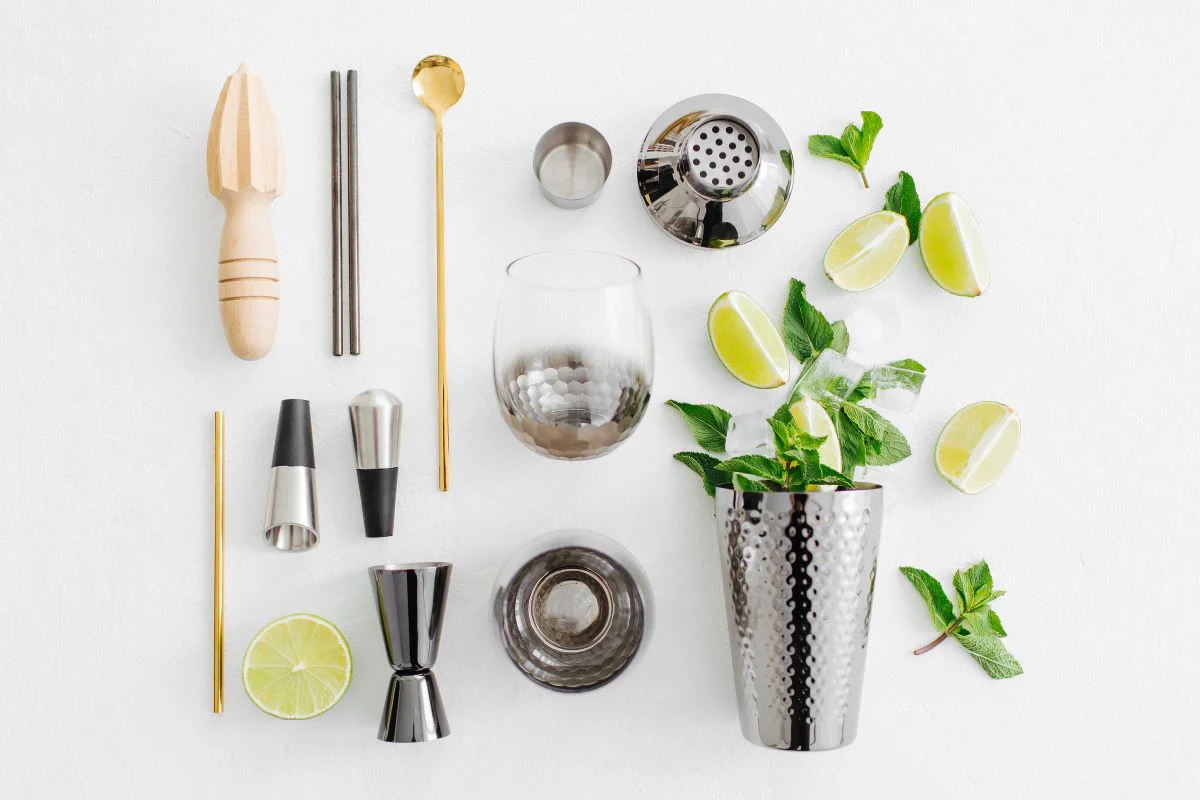
You don’t need a massive collection of tools to start making great cocktails. A few key essentials will cover almost every recipe.

  • Cocktail Shaker: A Boston shaker (two tins) or a Cobbler shaker (with a built-in strainer) is essential for drinks with juice.
  • Jigger: For accurate measurements. Consistency is key to a balanced cocktail.
  • Bar Spoon: For stirring spirit-forward drinks like the Manhattan and for reaching the bottom of a highball glass.
  • Strainer: A Hawthorne strainer fits on top of a shaker, while a fine mesh strainer is used for double-straining.
  • Muddler: For pressing mint in a Mojito or dissolving sugar in an Old Fashioned.

A Toast to the Classics

Iconic cocktails are more than just recipes; they are cultural touchstones. They have survived Prohibition, world wars, and changing tastes. They connect us to a rich history of celebration and craftsmanship.

By learning to make these drinks, you are not just mixing spirits. You are becoming part of a tradition. So gather your ingredients, chill your glasses, and start your journey. Experiment with different spirits, perfect your technique, and most importantly, share your creations with friends. Cheers!

Short FAQs

What is the difference between shaking and stirring a cocktail?
Stirring is for spirit-only drinks (like a Manhattan) to make them cold and silky. Shaking is for drinks with juice or cream (like a Margarita) to aerate and chill them, creating a lighter texture.

Can I use a different spirit than the one listed in a recipe?
Yes, but it will change the drink’s character. Swapping rye for bourbon in an Old Fashioned is common. Swapping gin for whiskey is not. Experimentation is part of the fun!

What is sweet vermouth?
It’s a fortified, aromatized wine flavored with various botanicals. It adds sweetness and complexity to cocktails like the Manhattan and Negroni.

Do I need expensive liquor to make good cocktails?
You don’t need the most expensive bottle, but you should avoid the cheapest. A good mid-range spirit (like a 100% agave tequila or a quality rye whiskey) will dramatically improve your cocktails.

What is the easiest iconic cocktail for a beginner to make?
The classic Daiquiri (rum, lime, sugar) or a simple highball like a Gin and Tonic are great starting points. They teach the importance of balance with few ingredients.
Refreshing Piña Colada and Tropical Drinks

Imagine the sun warming your skin. A gentle breeze rustles through palm trees. You hear the soft sound of waves in the distance. What’s in your hand? For many, the answer is a tall, frosty glass of Piña Colada. This single drink can transport you to a tropical paradise. It’s more than a cocktail; it’s a mini-vacation.

Welcome to the ultimate guide to tropical drinks. We will dive deep into the world of the iconic Piña Colada. We will show you how to make the perfect one at home. We will also explore its fun variations. But the journey doesn’t stop there. We will introduce you to other legendary tropical drinks that deserve a spot in your recipe book. Here at FastFlavorz, we believe that amazing flavors should be easy to create. Get ready to turn your kitchen into a beachfront bar.

The Allure of the Tropics in a Glass

What makes a drink “tropical”? It’s a combination of flavors, aromas, and feelings. These drinks are often built around fruits that grow in warm climates. Think of juicy pineapple, creamy coconut, sweet mango, and zesty lime. They capture the essence of sunshine and relaxation.

The magic is in the balance. A great tropical drink is usually a mix of sweet and sour. The sweetness comes from ripe fruit and syrups. The sourness comes from citrus like lime or lemon juice. This combination creates a refreshing taste that is never boring. Many tropical drinks also feature rum, a spirit made from sugarcane, which adds its own sweet and complex character.

But it’s not just about taste. It’s a full sensory experience. The vibrant colors are a feast for the eyes. The fruity aroma teases your nose before you even take a sip. The frosty chill of a blended drink provides instant relief on a hot day.

“A tropical drink is one part flavor, two parts sunshine, and three parts happiness.”

These drinks invite you to slow down. You can’t rush a well-made Mojito or a layered Miami Vice. They are meant to be savored. They are perfect for parties, barbecues, or simply unwinding after a long week.

The Star of the Show: The Classic Piña Colada

Among all tropical drinks, the Piña Colada reigns supreme. Its name translates to “strained pineapple” in Spanish. This creamy, sweet, and satisfying cocktail is loved all over the world. It’s simple, yet decadent.

A Sip of History: The Birth of the Piña Colada

The story of the Piña Colada takes us to San Juan, Puerto Rico. The most widely accepted tale credits its invention to a bartender named Ramón “Monchito” Marrero. He worked at the Caribe Hilton Hotel. In 1954, after three months of experimenting, he perfected the recipe. He wanted to capture all the flavors of Puerto Rico in a single glass. He blended rum, cream of coconut, and pineapple juice. The result was an instant hit.

Refreshing Piña Colada and Tropical Drinks

The drink became so beloved that in 1978, Puerto Rico declared the Piña Colada its official national drink. It’s a symbol of the island’s vibrant culture and hospitality. Every time you sip a Piña Colada, you are tasting a piece of Caribbean history.

The Anatomy of a Perfect Piña Colada

The beauty of the Piña Colada lies in its simplicity. It only has three core ingredients. But the quality of these ingredients makes all the difference.

  1. Pineapple Juice: This is the heart of the drink. It provides the signature sweet and tart flavor. For the best taste, use high-quality, 100% pineapple juice, not from concentrate. Freshly juiced pineapple is even better if you have the time.
  2. Cream of Coconut: This is the secret to the drink’s creamy texture and rich coconut flavor. It is crucial to use “cream of coconut,” not coconut milk or coconut cream. Cream of coconut is a sweetened, processed coconut product with a thick, syrupy consistency. Brands like Coco López are the traditional choice.
  3. Rum: The spirit of the Caribbean. A light or white rum is the classic choice. It provides the alcoholic kick without overpowering the fruit flavors. It adds a subtle sweetness and complexity that ties everything together.

The Ultimate Piña Colada Recipe

Ready to make the best Piña Colada of your life? It’s easier than you think. This recipe is for a classic, blended Piña Colada. It’s thick, frosty, and incredibly delicious.

Here are the ingredients you will need for one serving.

IngredientAmountNotes
Light Rum2 oz (60 ml)Use your favorite brand.
Cream of Coconut2 oz (60 ml)Essential for creaminess.
Pineapple Juice2 oz (60 ml)Use a good quality juice.
Frozen Pineapple Chunks1 cupThis makes the drink thick and frosty.
Ice½ cupOptional, for an even frostier drink.
GarnishPineapple WedgeFor a classic look.
GarnishMaraschino CherryFor a pop of color.

Instructions:

  1. Prepare Your Glass. For the best experience, place your serving glass (a hurricane glass is traditional) in the freezer for about 15 minutes. A chilled glass keeps your drink colder for longer.
  2. Gather Your Ingredients. Measure out your rum, cream of coconut, and pineapple juice. Have your frozen pineapple chunks ready. Using frozen fruit is a pro-tip. It eliminates the need for a lot of ice, which can water down the flavor.
  3. Combine in a Blender. Add all the ingredients to a high-powered blender. Put the liquids in first (rum, cream of coconut, juice). Then add the solid ingredients (frozen pineapple, ice). This helps the blender work more efficiently.
  4. Blend Until Smooth. Secure the lid on your blender. Start blending on a low speed, then gradually increase to high. Blend for about 30-45 seconds. You are looking for a smooth, thick, almost soft-serve consistency. There should be no chunks of ice or fruit left.
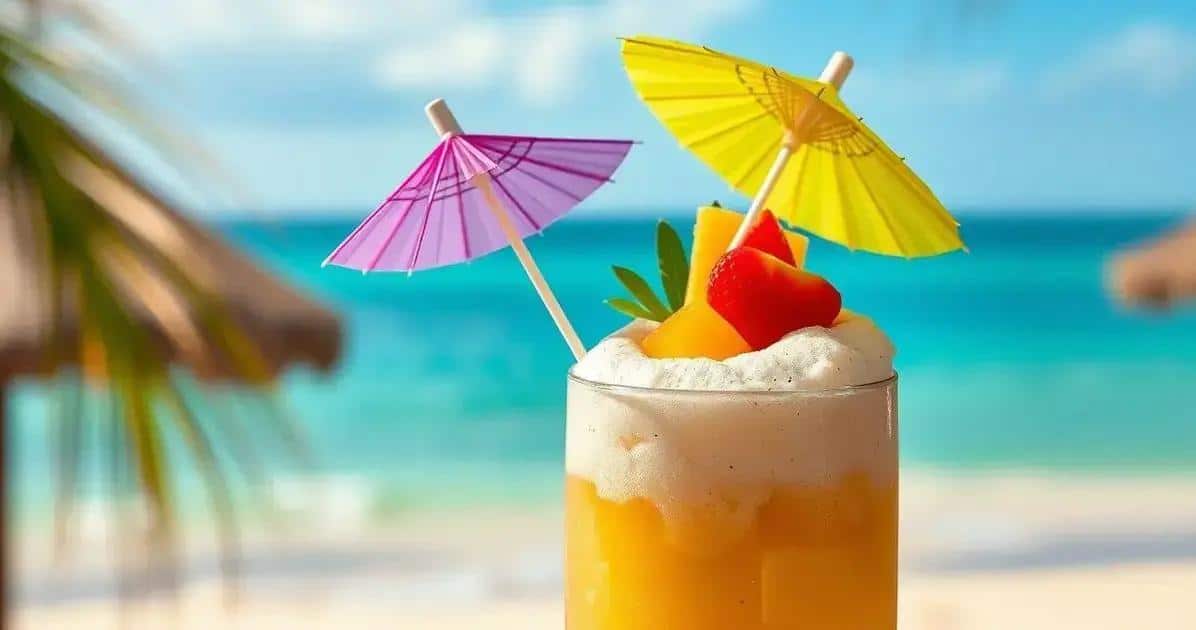
  5. Pour and Garnish. Pour the blended mixture into your chilled glass. The drink should be thick enough to stand up on its own. Garnish with a fresh pineapple wedge on the rim of the glass. Top it off with a bright red maraschino cherry. Add a fun straw or a paper umbrella if you’re feeling festive.
  6. Serve Immediately. A frozen Piña Colada is best enjoyed right away, while it’s at its coldest and thickest.

Pro Tips for a Flawless Piña Colada

Refreshing Piña Colada and Tropical Drinks

Want to elevate your drink from good to unforgettable? Follow these simple tips.

  • Don’t Skimp on the Cream of Coconut: This ingredient is non-negotiable. Coconut milk will not give you the right sweetness or texture. Squeeze bottles of cream of coconut make pouring and measuring easy.
  • Taste and Adjust: Your pineapple might be sweeter or more tart. After blending, give it a quick taste. If it’s too tart, you can add a little more cream of coconut. If it’s too sweet, a small squeeze of fresh lime juice can balance it out.
  • Choose Your Rum Wisely: While light rum is classic, you can experiment. A gold rum can add a bit more character. A dark rum floater on top can add a rich, molasses-like aroma and flavor.
  • Batch for a Party: You can easily scale this recipe for a crowd. Mix the rum, cream of coconut, and pineapple juice in a pitcher ahead of time. When your guests arrive, simply blend the mixture in batches with frozen pineapple. This ensures every drink is fresh and frosty.

Piña Colada Variations: A Twist on the Classic

The classic Piña Colada is a masterpiece. But it’s also a fantastic base for creativity. Here are a few popular variations to try.

The Virgin Piña Colada (The “Piñita Colada”)

Want all the tropical flavor without the alcohol? The Virgin Piña Colada is the perfect solution. It’s a family-friendly treat that everyone can enjoy.

How to make it: Simply omit the rum. To make up for the lost liquid, you can add an extra ounce of pineapple juice and an extra ounce of cream of coconut. Blend as usual with frozen pineapple. It’s just as creamy and delicious.

The Miami Vice

Why choose between two amazing frozen drinks when you can have both? The Miami Vice is a visually stunning layered drink. It is half Strawberry Daiquiri and half Piña Colada.

How to make it:

  1. First, prepare a classic Strawberry Daiquiri. Blend light rum, lime juice, simple syrup, and frozen strawberries. Pour this mixture into the bottom half of your glass.
  2. Next, clean your blender. Prepare a classic Piña Colada.
  3. Slowly pour the Piña Colada on top of the Strawberry Daiquiri layer. You can pour it over the back of a spoon to help create a distinct line. The result is a beautiful red and white swirl that tastes like a dream.

The Lava Flow

This is another layered beauty, similar to a Miami Vice but with a different technique. It creates an effect that looks like lava flowing up the sides of the glass.

How to make it:

  1. Start with the strawberry element. Muddle fresh strawberries with a little simple syrup in the bottom of your glass. Or, you can use a strawberry purée.
  2. In a blender, mix your Piña Colada ingredients (rum, pineapple juice, cream of coconut, and a frozen banana for extra creaminess).
  3. Slowly pour the Piña Colada mixture into the glass. As you pour, the strawberry purée will be pushed up the sides, creating the “lava flow” effect.

Exploring Different Flavors

Don’t be afraid to add other fruits to your Piña Colada.

  • Mango Colada: Add half a cup of frozen mango chunks to the classic recipe.
  • Banana Colada: Add one frozen banana for extra creaminess and flavor.
  • Blue Hawaiian: Add a splash of Blue Curaçao. This will turn your drink a beautiful ocean blue and add a hint of orange flavor.

Beyond the Piña Colada: A Tour of Other Tropical Drinks

The world of tropical cocktails is vast and exciting. If you love the Piña Colada, you will surely enjoy these other classics. Each has its own unique personality and story.

“To create a good cocktail, you must first dream of a good beach.”

The Mighty Mai Tai

The Mai Tai is a legend in the tiki world. It’s stronger and more complex than a Piña Colada. It’s for those who appreciate a rum-forward drink with layers of flavor.

  • Origin: The Mai Tai has a contested history. Most credit its invention to Victor J. “Trader Vic” Bergeron in 1944 in Oakland, California.
  • Key Ingredients: It traditionally uses two types of rum (light and dark), orange curaçao, fresh lime juice, and orgeat syrup (a sweet almond syrup with a hint of rose water).
  • Taste Profile: The Mai Tai is nutty, citrusy, and strong. The orgeat syrup gives it a unique, marzipan-like flavor that is its signature. It’s typically shaken and served over ice, not blended.

The Zesty Mojito

The Mojito is the ultimate refresher. It’s light, minty, and bubbly. It’s the perfect antidote to a hot summer day.

  • Origin: The Mojito hails from Havana, Cuba. Its origins can be traced back centuries, but it was popularized in the bars of Havana and made famous by author Ernest Hemingway.
  • Key Ingredients: The magic of a Mojito comes from muddling fresh mint leaves with sugar and lime juice. White rum is added, then the glass is filled with ice and topped with club soda.
  • Taste Profile: It’s a perfect balance of sweet, sour, and herbaceous. The muddled mint releases its essential oils, creating an incredibly fresh aroma and taste. It’s crisp and clean, not creamy like a Piña Colada.

The Bold Hurricane

Refreshing Piña Colada and Tropical Drinks

This drink is as powerful and vibrant as its name suggests. Known for its bright red color and potent punch, the Hurricane is a party in a glass.

  • Origin: The Hurricane was invented at Pat O’Brien’s bar in New Orleans during the 1940s. The story goes that they had an excess of rum and created this drink to help sell it.
  • Key Ingredients: The signature flavor of a Hurricane comes from passion fruit juice. This is mixed with both light and dark rum, and sometimes other fruit juices like orange or lime.
  • Taste Profile: The Hurricane is very sweet, very fruity, and very strong. The passion fruit gives it a unique tropical tang. It’s served over ice in its signature curvy “hurricane lamp” glass.

The Simple and Sweet Rum Punch

Rum Punch is less a specific recipe and more a template for deliciousness. It’s the perfect big-batch drink for any gathering. The old Caribbean rhyme helps you remember the ratio: “One of Sour, Two of Sweet, Three of Strong, and Four of Weak.”

  • One Part Sour: Lime juice.
  • Two Parts Sweet: Simple syrup, grenadine, or fruit juice.
  • Three Parts Strong: Rum (usually a mix of light and dark).
  • Four Parts Weak: Water, club soda, or more fruit juice.
  • Taste Profile: It can be whatever you want it to be! You can customize it with different juices like pineapple, orange, and guava. A dash of Angostura bitters and a sprinkle of nutmeg on top adds complexity.

Tools of the Tropical Trade

You don’t need a professional bar to make amazing tropical drinks. However, a few key tools will make the process much easier and give you better results.

  • A Good Blender: This is essential for frozen drinks like the Piña Colada. A high-powered blender will crush ice and frozen fruit into a perfectly smooth consistency.
  • A Cocktail Shaker: For drinks that are shaken, not blended, like the Mai Tai. A shaker chills the drink quickly and mixes the ingredients perfectly.
  • A Jigger: This is a small hourglass-shaped measuring tool. It helps you pour accurate amounts of spirits and mixers. Consistent measurements are key to a balanced cocktail.
  • A Muddler: This tool looks like a small baseball bat. It’s used to press and mash ingredients like mint and lime in the bottom of a glass for a Mojito.

Your Tropical Escape Awaits

You now have all the knowledge you need. You can create a perfect, creamy Piña Colada. You can explore exciting variations. You can even venture out and try other classic tropical cocktails. The goal is to have fun and enjoy the process.

Don’t be afraid to experiment. Add your favorite fruit. Try a different kind of rum. Adjust the sweetness to your liking. The best drink is the one that makes you happy. So grab your blender, put on some music, and let these fast flavors transport you to your own personal paradise. Cheers!

Frequently Asked Questions (FAQs)

Q1: Can I make a Piña Colada without a blender?
A: Yes. You can shake all the ingredients (using pineapple juice instead of frozen fruit) with ice in a cocktail shaker. Strain it into a glass with fresh ice. This is called a Piña Colada “on the rocks.” The texture will be thinner, not frozen.

Q2: What is the difference between cream of coconut and coconut milk?
A: Cream of coconut (like Coco López) is very thick, sweet, and syrupy. Coconut milk is unsweetened and has a much thinner consistency. Using coconut milk will result in a less sweet and less creamy drink.

Q3: What is the best rum for a Piña Colada?
A: A light or white rum is the traditional choice because it has a mild flavor that lets the fruit shine. However, a gold or aged rum can add more complexity and a hint of vanilla or caramel.

Q4: How can I make my tropical drinks less sweet?
A: To reduce sweetness, you can use less cream of coconut or simple syrup. You can also add a bit more fresh lime juice. The acidity from the lime will cut through the sweetness and create a more balanced drink.

Q5: Can I prepare these drinks in advance for a party?
A: You can mix the non-frozen base ahead of time. For Piña Coladas, mix the rum, juice, and cream of coconut and store it in the fridge. For punches, mix everything except the carbonated elements. Blend with ice or add club soda just before serving to keep them fresh.

Cocktail Essentials: Ingredients You Need

Welcome to the exciting world of home bartending. Have you ever sipped a perfectly balanced cocktail at a fancy bar and thought, “I wish I could make this at home”? The good news is, you can. It’s easier and more rewarding than you might imagine. You don’t need a wall of obscure bottles to get started.

Building a home bar is a journey, not a race. It’s about curating a collection that lets you create delicious drinks for yourself and your guests. This guide will walk you through the absolute essentials. We will cover the foundational spirits, the crucial modifiers, and the supporting characters that turn a simple drink into a memorable experience.

Whether you want to master a classic Old Fashioned or shake up a zesty Margarita, it all begins with the right ingredients. Let’s build your home bar from the ground up.

The Foundation: The Core Spirits

Spirits are the backbone of almost every cocktail. They provide the alcoholic base and the primary flavor profile. To start, you don’t need one of everything. Focusing on a few versatile, high-quality bottles will serve you better than a dozen cheap ones.

1. Vodka: The Versatile Chameleon

Vodka is the ultimate neutral spirit. Its clean and often subtle flavor profile makes it a perfect canvas for a wide range of drinks. It doesn’t overpower other ingredients. Instead, it lets them shine.

A good vodka should be smooth, not harsh. You don’t need to break the bank on a top-shelf bottle for mixing, but it’s wise to avoid the cheapest plastic options. A solid mid-range choice will be perfect for everything from simple highballs to more complex creations.

Key Cocktails:

  • Moscow Mule (Vodka, ginger beer, lime)
  • Cosmopolitan (Vodka, triple sec, cranberry, lime)
  • Screwdriver (Vodka, orange juice)
  • Vodka Martini (Vodka, dry vermouth)

2. Gin: The Botanical Powerhouse

Gin is essentially a flavored vodka, with its primary botanical being juniper. However, the world of gin is incredibly diverse. Some are juniper-forward and piney (like a classic London Dry), while others are more floral, citrusy, or contemporary.

Cocktail Essentials: Ingredients You Need

Because of this complexity, gin can create cocktails with incredible depth. A good London Dry Gin is the most versatile starting point. It’s the key to many timeless classics.

Key Cocktails:

  • Gin and Tonic (Gin, tonic water)
  • Tom Collins (Gin, lemon juice, simple syrup, club soda)
  • Negroni (Gin, Campari, sweet vermouth)
  • Gimlet (Gin, lime juice, simple syrup)

3. Rum: The Spirit of the Tropics (and Beyond)

Rum is distilled from sugarcane byproducts, like molasses, or directly from sugarcane juice. It’s not just for tiki drinks. Its flavor profile can range from light and grassy to dark, rich, and funky.

For a versatile home bar, you should aim to have two types:

  • Light Rum (White or Silver): This rum is light-bodied and subtly sweet. It’s perfect for cocktails where you want a clean rum flavor without too much molasses. It’s the star of the Mojito and the Daiquiri.
  • Dark Rum (Aged): Aged in barrels, this rum develops complex flavors of caramel, vanilla, and spice. It’s excellent for sipping and adds incredible depth to cocktails like the Dark ‘n’ Stormy or a Rum Old Fashioned.

4. Tequila: More Than Just a Shot

Tequila has shaken off its party-shot reputation to be recognized as a sophisticated and versatile spirit. Made from the blue weber agave plant, its earthy, sweet, and sometimes peppery notes are unmistakable.

Like rum, having two types on hand is ideal:

  • Blanco (Silver or Plata): This is unaged tequila. It has a pure, agave-forward flavor that is crisp and clean. It is the go-to for Margaritas and Palomas.
  • Reposado: Meaning “rested,” this tequila is aged in oak barrels for a short period (between two months and a year). This mellows the spirit and adds notes of oak and vanilla. It makes a fantastic, smoother Margarita and is great for sipping.

“The best way to enjoy a good tequila is to respect its origins and savor its complexity. It’s a spirit with a story in every sip.”

5. Whiskey: The Spirit of Grains

Whiskey is a vast and beloved category. It’s made from fermented grain mash and aged in wooden casks. The type of grain and an aging process defines its flavor. For a beginner’s bar, two American styles are essential.

  • Bourbon: By law, bourbon must be made in the U.S. from at least 51% corn and aged in new charred oak barrels. This gives it a sweeter profile with notes of vanilla, caramel, and oak. It’s the foundation for the Old Fashioned, Whiskey Sour, and Mint Julep.
  • Rye Whiskey: Rye must be made from at least 51% rye grain. It tends to be spicier and drier than bourbon, with a peppery bite. It’s the traditional choice for a Manhattan or a Sazerac.

The Modifiers: Liqueurs and Fortified Wines

If spirits are the lead actors, liqueurs are the supporting cast. They add sweetness, flavor, and complexity, transforming a simple mix into a true cocktail.

1. Orange Liqueur

An orange-flavored liqueur is arguably the most essential modifier you can own. It’s a key ingredient in countless classic cocktails. There are a few types to know:

  • Triple Sec: The most basic style. It’s sweet and straightforward.
  • Cointreau: A premium brand of triple sec. It has a cleaner, more robust, and less syrupy flavor. It’s an excellent investment.
  • Grand Marnier: A cognac-based orange liqueur. It’s richer and more complex, often used in high-end Margaritas or enjoyed on its own.

Key Cocktails: Margarita, Cosmopolitan, Sidecar.

2. Vermouth

Vermouth is a fortified wine. This means it’s a wine that has been “fortified” with a neutral spirit (like brandy) and aromatized with a blend of botanicals. It is a critical component of many iconic cocktails. It must be refrigerated after opening.

  • Dry Vermouth: Pale in color and dry in flavor, with herbal notes. It’s essential for a Martini.
  • Sweet Vermouth: Red in color and sweet in taste, with notes of vanilla, caramel, and spice. It’s the backbone of the Manhattan and Negroni.

3. Essential Aperitifs & Amari

Amari (singular: amaro) are Italian herbal liqueurs with a bittersweet flavor. They are fantastic for stimulating the appetite (aperitifs) or settling the stomach (digestifs).

  • Campari: This bright red, intensely bitter amaro is a non-negotiable for any Negroni lover. Its flavor is a complex mix of bitter orange, rhubarb, and herbs.
  • Aperol: Campari’s sweeter, less-alcoholic cousin. It has a vibrant orange hue and a more approachable, citrus-forward bitterness. It’s the star of the world-famous Aperol Spritz.

The Lengtheners: Essential Mixers

Cocktail Essentials: Ingredients You Need

Mixers add volume to a drink, balancing the strength of the spirit and adding flavor and effervescence. Quality matters here.

1. Sodas

  • Club Soda: Simple carbonated water. It adds bubbles without adding flavor, perfect for a Tom Collins or a Vodka Soda.
  • Tonic Water: Carbonated water with quinine, which gives it a distinctively bitter taste. Essential for a Gin and Tonic. Look for brands that use real sugar instead of high-fructose corn syrup.
  • Ginger Beer & Ginger Ale: Ginger ale is a milder, sweeter soda. Ginger beer is spicier and has a much stronger ginger kick. A good, spicy ginger beer is a must for a proper Moscow Mule or Dark ‘n’ Stormy.

2. Juices: Fresh is Always Best

This is the single most important rule in cocktail making. Pre-packaged, from-concentrate juices are often full of sugar and preservatives that will make your drinks taste flat and artificial. Squeezing your own juice is a small step that makes a world of difference.

“The difference between using fresh lime juice and bottled sour mix in a Margarita is the difference between a real flower and a plastic one.”

Essential Fresh Juices:

  • Lemon Juice: For Whiskey Sours, Tom Collins, and countless others.
  • Lime Juice: For Margaritas, Daiquiris, Gimlets, and Moscow Mules.

Good-to-Have Juices (Quality bottled is acceptable here):

  • Cranberry Juice: For Cosmopolitans and Sea Breezes.
  • Orange Juice: For Screwdrivers and Mimosas.
  • Pineapple Juice: For Piña Coladas and tropical drinks.

The Seasoning: Syrups and Bitters

Think of these as the salt and pepper of your bar. They are used in small quantities but have a massive impact on the final taste, adding balance, sweetness, and aromatic complexity.

1. Simple Syrup

Simple syrup is just that: simple. It’s a mixture of equal parts sugar and hot water, stirred until the sugar dissolves. Using syrup instead of granulated sugar ensures it dissolves fully in cold liquids. You can easily make this at home in five minutes.

How to Make Simple Syrup:

  1. Combine 1 cup of white sugar and 1 cup of hot water in a jar or bottle.
  2. Stir or shake until the sugar is completely dissolved.
  3. Let it cool and store it in the refrigerator for up to a month.

2. Bitters

Bitters are concentrated alcoholic infusions of barks, roots, herbs, and spices. A few dashes can tie all the flavors of a drink together and add an aromatic dimension.

  • Aromatic Bitters: Angostura bitters are the most famous brand. With its iconic oversized label, this is a must-have for an Old Fashioned and a Manhattan. It has a spicy, clove-like aroma.
  • Orange Bitters: These provide a citrusy, slightly bitter orange peel flavor. They are wonderful in a Martini or to add a twist to an Old Fashioned.

The Final Touch: Garnishes

Garnishes aren’t just for looks. They add a crucial aromatic element that enhances the drinking experience. The scent of a fresh lemon twist as you lift the glass is part of the cocktail.

  • Citrus: Lemons and limes are your workhorses. You can cut them into wheels, wedges, or twists (a strip of peel).
  • Cocktail Cherries: Ditch the bright red, sugary maraschino cherries from your childhood. Invest in a jar of high-quality cherries like Luxardo or Amarena. They are rich, complex, and delicious. Essential for a proper Manhattan or Old Fashioned.
  • Olives: For Martinis. Choose good quality cocktail olives packed in brine.
  • Fresh Mint: A must-have for Mojitos and Mint Juleps.

Your Essential Ingredient Checklist

To make it easy, here is a table summarizing the most important ingredients to start your home bar.

CategoryIngredientKey Cocktails
SpiritsVodkaMoscow Mule, Cosmopolitan
London Dry GinGin and Tonic, Negroni
Light RumDaiquiri, Mojito
Tequila BlancoMargarita, Paloma
Bourbon WhiskeyOld Fashioned, Whiskey Sour
LiqueursOrange Liqueur (Cointreau)Margarita, Sidecar
Dry VermouthMartini
Sweet VermouthManhattan, Negroni
CampariNegroni, Americano
Syrups & BittersSimple SyrupWhiskey Sour, Daiquiri, Tom Collins
Aromatic BittersOld Fashioned, Manhattan
GarnishesLemons & LimesNearly everything
Quality CherriesManhattan, Old Fashioned

Putting It All Together: 5 Easy Cocktails to Start

With the ingredients above, you can make a huge number of classic cocktails. Here are five simple recipes to get you started and show you how these elements work together.

Cocktail Essentials: Ingredients You Need
CocktailIngredientsSimple Instructions
Old Fashioned2 oz Bourbon, 1 tsp Simple Syrup, 2 dashes Aromatic BittersStir ingredients with ice. Strain into a rocks glass with a large ice cube. Garnish with an orange twist.
Margarita2 oz Tequila Blanco, 1 oz Lime Juice, ¾ oz Orange LiqueurShake all ingredients with ice. Strain into a salt-rimmed rocks glass with fresh ice. Garnish with a lime wheel.
Daiquiri2 oz Light Rum, 1 oz Lime Juice, ¾ oz Simple SyrupShake all ingredients with ice. Strain into a chilled coupe or cocktail glass. Garnish with a lime wheel.
Gin and Tonic2 oz Gin, 4 oz Tonic WaterBuild in a tall glass with ice. Stir gently. Garnish with a lime wedge.
Negroni1 oz Gin, 1 oz Campari, 1 oz Sweet VermouthStir all ingredients with ice. Strain into a rocks glass with a large ice cube. Garnish with an orange twist.

Building Your Bar Strategically

Seeing this list can feel overwhelming. Remember the golden rule: start small. You don’t need to buy everything at once.

  1. Pick a Favorite Cocktail: Love Margaritas? Start with Tequila, Cointreau, and limes.
  2. Buy a Spirit and Explore: Get a good bottle of bourbon. First, make an Old Fashioned. Next week, buy lemons and make a Whiskey Sour.
  3. Expand Slowly: Once you have your core spirits, add a new liqueur or modifier every month. Before you know it, you’ll have a well-stocked bar capable of making hundreds of drinks.

Creating cocktails at home is a skill that brings immense joy. It’s a creative outlet that allows you to experiment with flavors and share wonderful experiences with friends and family. It’s about slowing down, focusing on a small ritual, and producing something truly delicious.

As you grow more confident, you can explore more advanced spirits like Scotch or Mezcal, and unique liqueurs like Chartreuse or St-Germain. The possibilities are endless. For more simple recipes and flavor inspiration, be sure to explore the rest of FastFlavorz (https://freeblitz.shop/).

Cheers to your new home bar adventure!


Short FAQs

Q1: Do I really need to buy expensive spirits?
A1: Not at all. Start with respected mid-range brands. They offer the best balance of quality and value for mixing cocktails. Avoid the very cheapest options.

Q2: How important is fresh juice?
A2: It is the single biggest upgrade you can make to your cocktails. The taste is much brighter and more authentic than bottled juices. A simple citrus squeezer is a great investment.

Q3: My vermouth tastes bad after a few weeks. Why?
A3: Vermouth is a wine-based product. Once opened, it must be stored in the refrigerator. It will stay fresh for about 1-2 months.

Q4: What is the one piece of bar equipment I should buy first?
A4: A cocktail shaker set that includes a shaker, a jigger (for measuring), and a strainer. This will allow you to make a huge variety of shaken and stirred drinks accurately.

Q5: Can I use sugar instead of simple syrup?
A5: You can, but it won’t dissolve well in cold drinks, leaving them gritty. Making simple syrup takes just a few minutes and ensures a smooth, well-mixed cocktail.

How to Make the Perfect Frozen & Fruity Margaritas

Welcome to the ultimate guide for margarita lovers! Nothing beats the refreshing chill of a perfectly blended frozen margarita. It’s the taste of summer. It’s the feel of a vacation. Here at FastFlavorz, we believe that making this iconic drink at home should be easy and delicious.

Forget those overly sweet, artificially flavored mixes. We are diving deep into the art of the perfect frozen and fruity margarita. This guide will cover everything. We will explore the best ingredients. We will share essential techniques. We will give you incredible recipes that will impress your friends and family.

Are you ready to transform your kitchen into the best margarita bar in town? Let’s get blending!

What Makes a Margarita “Perfect”? The Core Components

Before we even touch the blender, we need to understand the soul of a margarita. A perfect margarita is all about balance. It’s a delicate dance between sweet, sour, and the signature kick of tequila. For a frozen margarita, we also add temperature and texture to that dance.

The Star of the Show: Choosing Your Tequila

The tequila you choose is the foundation of your drink. It can make or break your margarita. Not all tequilas are created equal.

  • Blanco (or Silver) Tequila: This is the best choice for frozen and fruity margaritas. Blanco tequila is unaged or aged for a very short time. It has a pure, crisp agave flavor. This clean taste allows the fruit and lime to shine through. It doesn’t compete with the other ingredients. It complements them.
  • Reposado Tequila: Reposado means “rested.” This tequila is aged in oak barrels for two months to a year. It has a smoother, more complex flavor with hints of vanilla and caramel. A reposado can add a wonderful warmth to your margarita. However, its subtle notes might get a little lost behind strong fruit flavors. It’s a great option if you prefer a less sharp tequila taste.
  • Añejo Tequila: This tequila is aged for at least one year. It’s a sipping tequila, rich and complex. Its deep, oaky flavors tend to clash with the bright, zesty profile of a fruity margarita. It’s best to save your añejo for enjoying on its own.

Pro-Tip: You don’t need the most expensive tequila on the shelf. A good quality, 100% blue agave mid-range blanco tequila is the perfect workhorse for your margarita adventures.

The Sweet & Sour Balance: Liqueurs and Lime

The classic margarita gets its sweetness and orange notes from an orange liqueur. The sourness comes from fresh lime juice. Getting this ratio right is crucial.

How to Make the Perfect Frozen & Fruity Margaritas
  • Orange Liqueur: This is what separates a margarita from a simple tequila sour.
    • Triple Sec: The most common and affordable option. It provides a straightforward orange sweetness.
    • Cointreau: A step up in quality. Cointreau is a premium brand of triple sec. It has a more refined, crisp, and less syrupy orange flavor.
    • Grand Marnier: A top-shelf choice. It’s a blend of Cognac and bitter orange. It adds a rich, complex sweetness that works beautifully, though it’s a bolder flavor.
  • Fresh Lime Juice: This is non-negotiable for a perfect margarita. Please, step away from the bottled lime juice. Bottled juices contain preservatives and have a dull, often bitter taste. The vibrant, tangy flavor of freshly squeezed lime juice is essential. It brightens the entire drink.

The “Fruity” Element: Fresh vs. Frozen Fruit

This is where the fun begins! When making a fruity margarita, you have a choice.

  • Frozen Fruit: This is the secret weapon for an amazing frozen margarita. Using frozen fruit means you need less ice. Less ice means a more flavorful, less watery drink. Frozen mango chunks, strawberries, and peaches work incredibly well. They create a thick, smooth, sorbet-like consistency.
  • Fresh Fruit: The flavor of fresh, in-season fruit is unbeatable. If you use fresh fruit, you will need to add more ice to achieve the frozen texture. For soft fruits like berries or watermelon, you can blend them right in. For firmer fruits, chopping them first is a good idea.

The “Frozen” Secret: The Ice-to-Liquid Ratio

The biggest mistake people make with frozen drinks is the ice. Too much ice leads to a chunky, gritty texture that’s hard to drink. Too little ice results in a watery, sad cocktail. The goal is a smooth, thick, “slushy” consistency.

A good starting point is a 1:2 ratio of liquid to frozen solids. This means for every one part of liquid (tequila, liqueur, lime juice), you use two parts of frozen ingredients (ice and/or frozen fruit). You can always adjust as you go.

“A good margarita is a bit like a good story. It has a strong beginning, a complex middle, and a satisfying finish that leaves you wanting more.”

The Essential Equipment for Frozen Margarita Mastery

You don’t need a professional bar setup, but a few key pieces of equipment will make your life much easier. They are the key to achieving that perfect texture.

The Blender: Your Most Important Tool

For frozen drinks, your blender is everything. A weak blender will struggle to crush ice effectively. It will leave you with large, unappetizing ice chunks.

A high-powered blender is a worthy investment for any frozen drink enthusiast. Brands like Vitamix or Blendtec are the gold standard. They pulverize ice and frozen fruit into a perfectly smooth consistency. However, many mid-range blenders (like those from Ninja or NutriBullet) are also powerful enough to get the job done well. Look for a blender with at least 1000 watts of power for the best results.

Glassware and Garnishes

Presentation is part of the experience.

  • Margarita Glasses: The classic wide-rimmed glass is iconic for a reason. The wide surface area allows the aromas of the drink to greet you with every sip.
  • Rocks Glasses: A simple rocks glass is also a great, modern choice. It’s sturdy and feels great in your hand.
  • Garnishes: A simple garnish elevates your drink from homemade to craft-cocktail status. A lime wheel, a fresh strawberry, or a sprig of mint are all beautiful touches. And of course, there’s the classic rim.

The Classic Frozen Margarita: A Step-by-Step Recipe

Let’s start with the foundation. Master this, and you can create any fruity variation you can dream of. This recipe makes two generous margaritas.

How to Make the Perfect Frozen & Fruity Margaritas

Ingredients Table

IngredientAmountNotes
Blanco Tequila4 oz (1/2 cup)Use 100% agave tequila.
Orange Liqueur2 oz (1/4 cup)Cointreau is preferred.
Fresh Lime Juice2 oz (1/4 cup)From about 2-3 limes.
Agave Nectar1 oz (2 tbsp)Optional, for extra sweetness.
Ice3-4 cupsAdjust for desired thickness.
Lime Wedges & SaltFor garnishFor the rim.

Instructions

  1. Prepare Your Glasses. Run a lime wedge around the rim of two margarita glasses. Pour coarse salt onto a small plate. Dip the wet rims into the salt, twisting to coat them evenly. Set the glasses aside.
  2. Combine Liquids. In your blender, add the tequila, orange liqueur, fresh lime juice, and optional agave nectar. Give it a quick pulse to combine.
  3. Add the Ice. Add about 3 cups of ice to the blender.
  4. Blend to Perfection. Start blending on a low speed, then gradually increase to high. Blend until the mixture is completely smooth and no ice chunks remain. This might take 30-60 seconds in a powerful blender.
  5. Check Consistency. If the margarita is too thin, add another handful of ice and blend again. If it’s too thick to pour, add a splash of lime juice or even water to thin it out.
  6. Serve Immediately. Pour the frozen margarita into your prepared glasses. Garnish with a fresh lime wheel and enjoy right away.

Let’s Get Fruity! Popular Frozen Margarita Variations

Now for the fun part. Adding fruit not only introduces delicious flavor but also helps create an incredible texture. For each of these recipes, we will modify the classic base. The key is to replace some of the ice with frozen fruit.

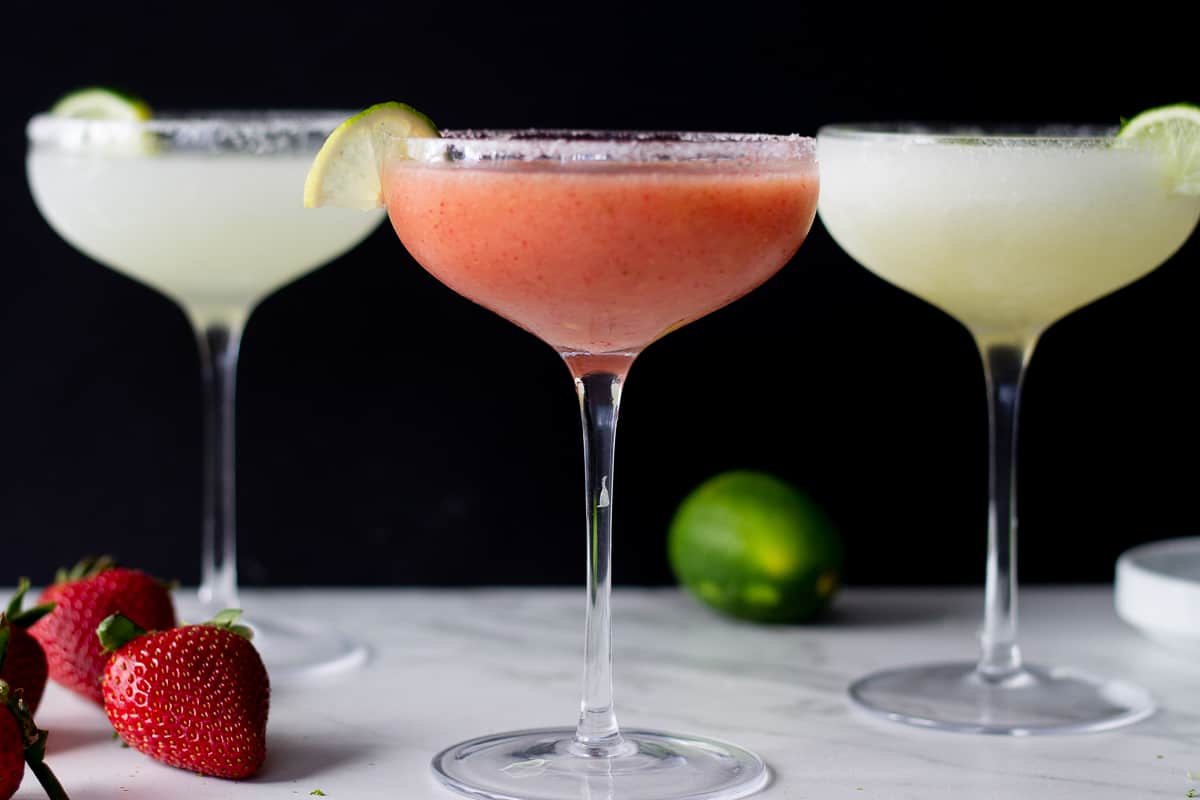
The Iconic Frozen Strawberry Margarita

This is a crowd-pleaser. The sweetness of the strawberries pairs perfectly with the tartness of the lime.

  • Ingredients:
    • 4 oz Blanco Tequila
    • 2 oz Orange Liqueur
    • 2 oz Fresh Lime Juice
    • 1.5 cups Frozen Strawberries
    • 1.5 cups Ice
    • Sugar for the rim (optional, but delicious)
  • Instructions: Follow the same steps as the classic recipe. Use a sugar rim instead of salt for a sweet-and-sour experience. The frozen strawberries provide all the sweetness you need, so agave is usually not necessary.

The Tropical Frozen Mango Margarita

This version will transport you straight to a beach. Mango’s creamy texture and tropical sweetness are a perfect match for tequila.

  • Ingredients:
    • 4 oz Blanco Tequila
    • 2 oz Orange Liqueur
    • 2.5 oz Fresh Lime Juice (mango is very sweet, so a little extra lime helps)
    • 1.5 cups Frozen Mango Chunks
    • 1.5 cups Ice
    • Tajín or chili-lime salt for the rim
  • Instructions: Blend all ingredients until smooth. A chili-lime salt rim provides a fantastic spicy, savory contrast to the sweet mango.

The Refreshing Frozen Watermelon Margarita

There is nothing more refreshing on a hot day than watermelon. This margarita is light, hydrating, and incredibly easy to drink.

  • Ingredients:
    • 4 oz Blanco Tequila
    • 2 oz Orange Liqueur
    • 2 oz Fresh Lime Juice
    • 2 cups Frozen Cubed Watermelon
    • 1 cup Ice
    • Salt or a sugar/salt mix for the rim
  • Instructions: Because watermelon has high water content, you’ll use less ice. Freeze your own watermelon chunks for the best flavor. Simply cube fresh watermelon, place it on a baking sheet in a single layer, and freeze for a few hours.

The Bold Frozen Raspberry or Blackberry Margarita

For those who love a tarter, bolder fruit flavor. Berries add a beautiful, deep color and a sophisticated taste.

  • Ingredients:
    • 4 oz Blanco Tequila
    • 2 oz Orange Liqueur
    • 2 oz Fresh Lime Juice
    • 1 oz Agave Nectar (berries can be tart)
    • 1.5 cups Frozen Raspberries or Blackberries
    • 1.5 cups Ice
    • Sugar for the rim
  • Instructions: Blend everything until smooth. If you don’t like seeds, you can double-strain the mixture through a fine-mesh sieve after blending, although this is less common for frozen drinks.

Pro-Tips for Unforgettable Frozen Margaritas

Ready to level up? These professional tips and tricks will ensure your frozen margaritas are legendary.

Achieving the Perfect Slushy Texture

The texture is everything. Here’s how to troubleshoot:

  • If it’s too watery: Your ice-to-liquid ratio is off. The easiest fix is to add more frozen fruit or ice, a little at a time, and blend again.
  • If it’s too thick or won’t blend: Your blender is struggling. You may have too many solids. Add a small splash of liquid (lime juice, tequila, or water) to help get things moving.
  • Pre-chill your ingredients: Storing your tequila and liqueurs in the freezer for an hour before blending helps keep the final drink colder for longer and prevents it from melting too quickly.

The Art of the Salt (or Sugar) Rim

Don’t just dip the glass. Do it with style.

  1. Use a Plate: Pour your salt, sugar, or Tajín onto a small, flat plate.
  2. Use Fresh Citrus: Cut a wedge of lime. Rub it firmly around the outer edge of the glass rim. Using the wedge gives you more control than dipping the glass in juice.
  3. Dip and Twist: Hold the glass horizontally and gently press the wet rim into the salt. Twist the glass as you press to get an even coating. This prevents salt from falling into your drink.

Batching for a Party

Making margaritas for a crowd? Don’t make them one by one.

You can pre-mix the liquid ingredients (tequila, liqueur, lime juice) in a large pitcher and store it in the refrigerator. When guests are ready, simply pour the desired amount of the liquid base into the blender, add your frozen fruit and ice, and blend. This saves a huge amount of time.

Making it a “Skinny” Margarita

Want the flavor without all the sugar? It’s easy.

  • Swap the orange liqueur for fresh orange juice (about 1 oz).
  • Use a low-calorie sweetener like stevia or a small amount of agave nectar to taste.
  • Load up on fruit for natural sweetness.

The Perfect Virgin Frozen Margarita (Mocktail)

Everyone should be able to enjoy a festive drink. A non-alcoholic frozen margarita is just as delicious.

  • Replace the tequila and orange liqueur with liquids like sparkling water, coconut water, or orange juice.
  • A great base is 4 oz of sparkling water, 2 oz of orange juice, and 2 oz of fresh lime juice.
  • Add a healthy dose of agave nectar to replicate the sweetness and body of the liqueurs. Then, add your frozen fruit and ice and blend as usual.

Comparing Popular Fruit Choices

Choosing your fruit is a matter of taste. This table can help you decide.

FruitFlavor ProfileBest Rim PairingPro-Tip
StrawberrySweet, Classic, Slightly TartSugar or SaltUse very ripe, sweet berries for the best flavor.
MangoTropical, Sweet, CreamyChili-Lime Salt (Tajín)Use frozen mango chunks to get a perfect sorbet-like texture.
PeachDelicate, Sweet, FloralSugarA splash of peach schnapps instead of orange liqueur is a great twist.
WatermelonUltra-Refreshing, Light, SweetSaltFreeze your own watermelon chunks for the best, most natural flavor.
RaspberryTart, Bold, TangySugar or a Sugar/Salt MixBalance the tartness with a little extra agave nectar.
PineappleTropical, Sweet, TangySalt or SugarPairs wonderfully with a splash of coconut cream for a piña colada vibe.

Your Margarita, Your Rules

The most important ingredient in any recipe is creativity. This guide provides a solid foundation. It gives you the knowledge to build the perfect frozen and fruity margarita. But don’t be afraid to experiment.

Try mixing fruits, like strawberry and mango. Add a few jalapeño slices to your blender for a spicy kick. Throw in a handful of fresh mint with your watermelon margarita. The possibilities are endless.

Crafting the perfect margarita is a journey of taste and discovery. So grab your blender, raise a glass, and toast to fast, fresh, and fabulous flavors. Cheers!

Frequently Asked Questions (FAQs)

Q1: Why is my frozen margarita watery?
A1: You likely have too much liquid or not enough frozen ingredients. Add more ice or frozen fruit and blend again until you reach your desired thickness.

Q2: Can I make frozen margaritas ahead of time?
A2: It’s tricky. You can store it in the freezer, but it will freeze solid. You’ll need to let it thaw slightly and re-blend it before serving to restore the slushy texture.

Q3: What’s the best tequila for a fruity margarita?
A3: A 100% agave Blanco (or Silver) tequila is best. Its clean, crisp flavor allows the fruit to be the star of the show.

Q4: Do I have to use an orange liqueur?
A4: No. For a simpler, less alcoholic version, you can substitute the orange liqueur with 1 oz of agave nectar and 1 oz of fresh orange juice.

Q5: How can I make my margarita less sweet?
A5: Omit any added sweeteners like agave nectar. You can also add a little extra fresh lime juice to increase the tartness and balance the sweetness from the fruit and liqueur.

Margarita Recipe Magic: Classic & Creative Flavors

The margarita is more than just a cocktail. It is a celebration in a glass. It speaks of sunny days and fun nights. Its perfect balance of sweet, sour, and earthy flavors has made it a global icon. You can find it in fancy bars. You can find it at backyard barbecues. The margarita is always a welcome guest.

This guide is your key to unlocking margarita magic. We will start with the timeless classic. Then, we will explore a world of creative twists. You will learn the secrets behind each ingredient. You will master the techniques to craft the perfect drink. Get ready to become a margarita expert. Your friends and family will be impressed.

The Storied History of the Margarita

Every great cocktail has a story. The margarita’s origin is shrouded in mystery. Several legends compete for the title of its creator. This adds to its charm.

One popular tale credits Carlos “Danny” Herrera. He created the drink in the late 1930s. He made it at his restaurant in Baja California, Mexico. The drink was for a picky dancer named Marjorie King. She was allergic to most spirits. But she could drink tequila. Herrera mixed tequila, Cointreau, and fresh lime juice. The margarita was born.

Another story points to Margarita Sames. She was a wealthy Dallas socialite. In 1948, she mixed a new drink for her guests in Acapulco. She combined her favorite spirits: Cointreau and tequila. She added fresh lime juice. Her guests loved it. One of them, Tommy Hilton, added it to the bar menu at his hotels.

While we may never know the true story, we know one thing. The margarita is a masterpiece of mixology. Its simplicity is its greatest strength.

The Anatomy of a Perfect Margarita

A truly great margarita depends on its parts. Using high-quality ingredients is not just a suggestion. It is a requirement. Let’s break down the core components.

The Soul of the Drink: Tequila

Tequila is the heart and soul of the margarita. It is made from the blue Weber agave plant. The type of tequila you choose will dramatically change your drink’s flavor.

  • Blanco (or Silver) Tequila: This tequila is unaged or aged for less than two months. It has a pure, crisp agave flavor. You will taste hints of pepper and citrus. Blanco is the traditional choice for margaritas. It lets the lime and orange liqueur shine.
  • Reposado Tequila: This tequila is “rested.” It ages in oak barrels for two months to a year. This gives it a smoother, more complex flavor. You will notice notes of vanilla, caramel, and oak. A reposado margarita is richer and warmer.
  • Añejo Tequila: This tequila is aged for one to three years. It is deep, smooth, and best for sipping on its own. While you can use it in a margarita, its complex flavors can be lost. It is a luxury choice for a very special margarita.

For your first classic margarita, start with a 100% blue agave Blanco tequila. It is the perfect foundation.

Margarita Recipe Magic: Classic & Creative Flavors

“The best tequila for a margarita is the one you enjoy drinking. Start with a quality Blanco and explore from there.”

The Sweet Citrus Kiss: Orange Liqueur

The orange liqueur adds sweetness and complexity. It balances the tart lime and earthy tequila. Do not use cheap, artificial-tasting options. Quality matters here.

  • Triple Sec: This is a general term for any orange-flavored liqueur. Quality can vary wildly. A good quality triple sec is fine for beginners.
  • Cointreau: This is a premium brand of triple sec from France. It has a crisp, clean, and well-balanced orange flavor. It is less sweet than many other triple secs. Cointreau is the gold standard for many margarita purists.
  • Grand Marnier: This is a French liqueur made from a blend of Cognac, bitter orange, and sugar. It has a heavier, sweeter, and more complex flavor. It creates a luxurious, Cadillac-style margarita.

The Zesty Backbone: Lime Juice

This is a non-negotiable rule. Always use fresh-squeezed lime juice. The bottled stuff is often made from concentrate. It contains preservatives. It has a dull, metallic, or overly sour taste.

Fresh limes provide a bright, zesty, and aromatic flavor. This is essential for a vibrant margarita. It takes only a minute to squeeze a few limes. The difference in taste is monumental. You will thank yourself for the small effort.

The Balancing Act: Sweetener

A little sweetness is needed to balance the lime’s acidity. You have a few options.

  • Agave Nectar: This is a popular choice. It comes from the same plant as tequila. It blends seamlessly with the other flavors. Agave is sweeter than sugar, so you need less of it.
  • Simple Syrup: This is a mix of equal parts sugar and hot water. Stir until the sugar dissolves, then let it cool. It is a neutral sweetener that works perfectly. You can easily make it at home.

The Classic Margarita Recipe

This is the recipe that started it all. It follows the classic 3-2-1 ratio. This makes it easy to remember and scale.

Classic Margarita Ingredients

IngredientAmountNotes
Blanco Tequila2 ounces (60 ml)100% blue agave
Cointreau1 ounce (30 ml)Or other quality orange liqueur
Fresh Lime Juice1 ounce (30 ml)Squeezed from about one lime
Agave Nectar¼ to ½ ounce (7-15 ml)To taste, optional
Kosher SaltFor the rimCoarse texture is best
Lime WedgeFor garnish

Step-by-Step Instructions

  1. Prepare Your Glass: This step sets the stage. Pour a layer of kosher salt onto a small plate. Run a lime wedge around the rim of your margarita or rocks glass. Dip the moistened rim into the salt. Gently press to coat it evenly. Fill the glass with fresh ice.
  2. Combine the Ingredients: Fill a cocktail shaker with ice. Pour in the tequila, Cointreau, and fresh lime juice. Add a small amount of agave nectar if you prefer a sweeter drink.
  3. Shake Vigorously: This is where the magic happens. Close the shaker tightly. Shake it hard for about 15-20 seconds. The shaker should become frosty on the outside. Shaking does three things: it chills the drink, dilutes it perfectly, and adds a light, airy texture.
  4. Strain and Serve: Strain the chilled mixture from the shaker into your prepared glass. The ice in the glass will keep it cold as you sip.
  5. Garnish and Enjoy: Add a fresh lime wedge to the rim of the glass. Serve immediately and enjoy your perfect classic margarita.

Mastering the Margarita Technique

Margarita Recipe Magic: Classic & Creative Flavors

The recipe is simple. The technique is what separates a good margarita from a great one.

The Importance of a Good Shake

Do not just gently rock your shaker. A hard, vigorous shake is crucial. It aerates the mixture, creating a subtle froth on top. It also ensures the drink is ice-cold and has the right amount of dilution from the melting ice. Think of it as waking up the flavors.

Choosing Your Glassware

The classic margarita glass has a wide rim. This is perfect for holding a generous salt crust. However, many modern bartenders prefer a rocks glass (or old-fashioned glass). It is sturdy, easy to hold, and less likely to spill. The choice is yours. Both work beautifully.

The Perfect Salt Rim

  • Use Kosher Salt: Table salt is too fine and intensely salty. Kosher salt or coarse sea salt has a better texture and flavor.
  • Rim Half the Glass: For a more balanced experience, only salt half the rim. This gives you the choice to get a salty sip or a non-salty sip.
  • Add Some Zest: For extra flavor, mix some lime zest into your salt.

Exploring Creative Margarita Flavors

Once you have mastered the classic, it is time to play. The margarita is a blank canvas for flavor. Here are some exciting variations to try. The base recipe is always the same: tequila, orange liqueur, and lime. You just add a new element.

Fruity and Fabulous Margaritas

These are crowd-pleasers. They are perfect for summer parties. Use fresh or frozen fruit for the best results.

Strawberry Margarita

A sweet and beautiful twist.

  • How to Make It: Muddle 3-4 fresh strawberries in your shaker before adding the other ingredients. If using frozen strawberries, blend all ingredients with a scoop of ice. A dash of strawberry puree also works wonderfully.

Spicy Mango Margarita

A perfect blend of sweet and heat.

  • How to Make It: Muddle a few chunks of fresh mango and one or two thin slices of jalapeño in your shaker. Adjust the amount of jalapeño to your heat preference. Strain well to remove the pulp and seeds. A Tajín rim is a fantastic addition here.

Watermelon Margarita

The ultimate refreshing summer drink.

  • How to Make It: Muddle a generous handful of fresh, seedless watermelon chunks in your shaker. Watermelon has a high water content, so you may want to use slightly less agave. This drink is light, crisp, and incredibly hydrating.

Pineapple-Cilantro Margarita

A tropical and herbaceous surprise.

  • How to Make It: Muddle a few chunks of fresh pineapple and 2-3 sprigs of fresh cilantro in your shaker. The pineapple brings sweetness, while the cilantro adds a bright, savory note that pairs surprisingly well with tequila.

Spicy and Smoky Margaritas

For those who like a little kick or a deeper flavor.

“A spicy margarita is not just about heat. It’s about a new layer of flavor that makes the whole drink more exciting.”

Classic Jalapeño Margarita

The most popular spicy variation.

  • How to Make It: Muddle 2-3 slices of fresh jalapeño (with seeds for more heat, without for less) in your shaker before adding the liquids. Shake and double-strain to catch any small pieces.

Smoky Mezcal Margarita

A sophisticated and complex cousin.

  • How to Make It: Simply swap the tequila for mezcal. Mezcal is also made from agave, but the agave hearts are roasted in earthen pits. This gives it a distinct smoky flavor. It completely transforms the drink into a smoky, earthy, and complex experience. It is a must-try for any adventurous drinker.

The “Skinny” Margarita

Looking for a lower-calorie option? The skinny margarita is a popular choice. It strips the drink down to its bare essentials.

  • The Recipe: Combine 2 ounces of Blanco tequila, 1.5 ounces of fresh lime juice, and 1 ounce of fresh orange juice. Shake with ice and serve. The orange juice replaces the orange liqueur, cutting down on sugar and alcohol content. A splash of soda water can add a nice fizz.

Making Margaritas for a Crowd

Making margaritas one by one is not practical for a party. Batching is the answer.

Pitcher Margarita Recipe (Serves 8)

  1. Combine in a Pitcher: In a large pitcher, combine 2 cups (16 oz) of Blanco tequila, 1 cup (8 oz) of Cointreau, and 1 cup (8 oz) of fresh-squeezed lime juice.
  2. Sweeten to Taste: Add ¼ cup (2 oz) of agave nectar. Stir well. Taste the mixture. Add more agave if needed. It is easier to add more than to take it away.
  3. Chill: Place the pitcher in the refrigerator for at least one hour to chill and allow the flavors to meld together. Do not add ice to the pitcher. This will over-dilute the entire batch.
  4. Serve: When ready to serve, set up a station. Provide a bucket of ice, a plate of salt, and a bowl of lime wedges. Let guests pour the margarita mix over fresh ice in their own salt-rimmed glasses.

Troubleshooting Your Margarita

Sometimes things do not go as planned. Here are solutions to common margarita problems.

ProblemLikely CauseSolution
Too Sour / TartToo much lime juice or not enough sweetener.Add a small amount (¼ oz) of agave nectar or simple syrup. Stir and taste.
Too SweetToo much sweetener or a very sweet orange liqueur.Add a little more fresh lime juice to balance the sweetness.
Too Strong / “Boozy”Ratio is off, or personal preference.Add a splash of lime juice and a splash of agave to balance. You can also top with a little soda water.
Weak / WateryShaken for too long, or left to sit in ice for too long.Shake for a shorter time (15 seconds is enough). Always use fresh ice in the serving glass.

Food Pairings for Your Margarita

A great margarita deserves great food. The cocktail’s high acidity and citrus notes make it a perfect partner for many dishes.

  • Classic Mexican Fare: Tacos, enchiladas, and quesadillas are a natural fit. The margarita cuts through the richness of cheese and savory meats.
  • Ceviche and Seafood: The lime in the margarita complements the citrus-cured fish in ceviche perfectly. It also pairs beautifully with grilled shrimp or fish tacos.
  • Spicy and Bold Flavors: The cooling nature of a margarita helps to tame the heat of spicy salsas and dishes.
  • Guacamole: Is there a more iconic duo? The creamy avocado and salty chips are the ultimate companions for a crisp margarita.

Your Margarita Journey

The margarita is a cocktail of endless possibilities. It is simple enough for a beginner to make. It is complex enough for an expert to appreciate. Mastering the classic recipe is your first step. From there, a universe of flavors awaits.

Margarita Recipe Magic: Classic & Creative Flavors

Do not be afraid to experiment. Try different tequilas. Muddle your favorite fruits and herbs. Find the balance of sweet and sour that is perfect for you. The magic of the margarita is in making it your own. For more quick and delicious drink and food ideas, keep exploring FastFlavorz (https://freeblitz.shop/). Cheers to your next perfect margarita!

Frequently Asked Questions

What is the best tequila for a margarita?

For a classic, crisp margarita, a 100% blue agave Blanco tequila is best. For a smoother, richer flavor, try a Reposado.

Should a margarita be shaken or blended?

A classic margarita is always shaken with ice and strained. A frozen margarita is blended with ice. Shaking provides better texture and dilution.

Can I use bottled lime juice?

It is highly recommended to use fresh-squeezed lime juice. The flavor is significantly brighter and better than any bottled alternative.

What is the difference between Cointreau and Triple Sec?

Cointreau is a premium brand of triple sec. It has a more balanced and less sweet flavor profile than most generic triple secs.

Why is my margarita too sour?

It likely needs more sweetener. Add a small amount of agave nectar or simple syrup (about ¼ ounce) to balance the tartness of the lime juice.